THE DRYHOUSE – Narratives of a World Rebuilt in Heat – Enton Bani
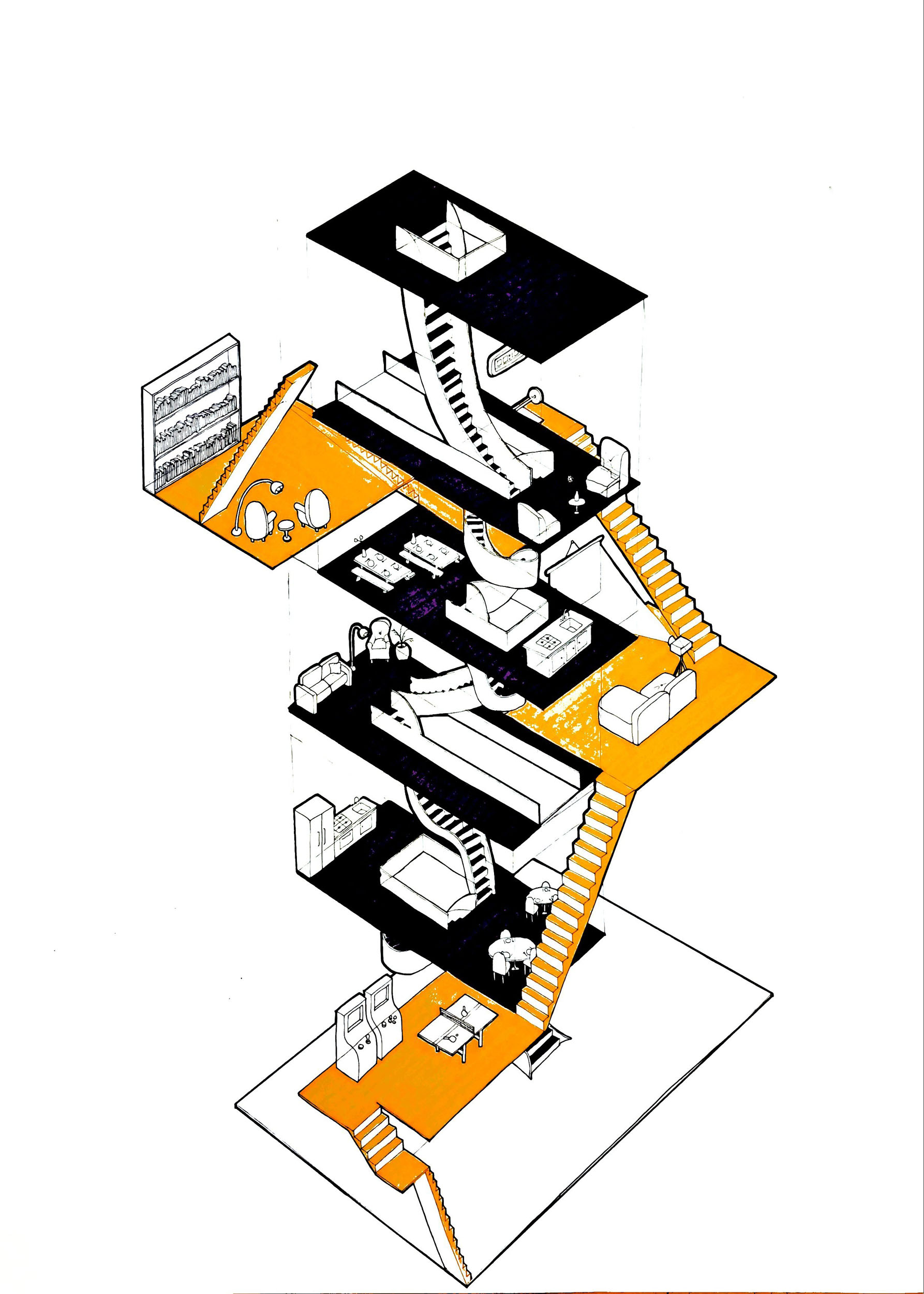
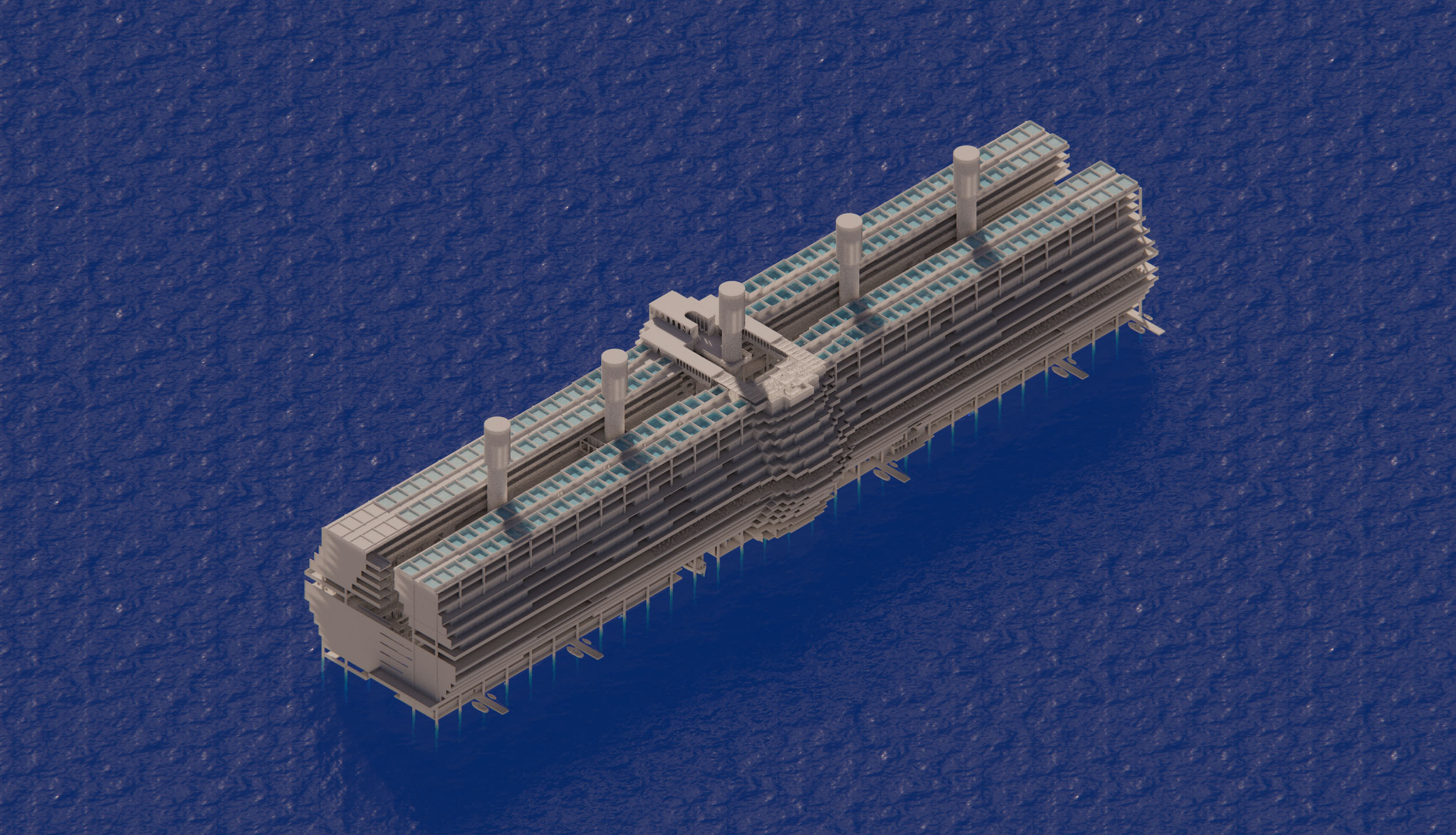
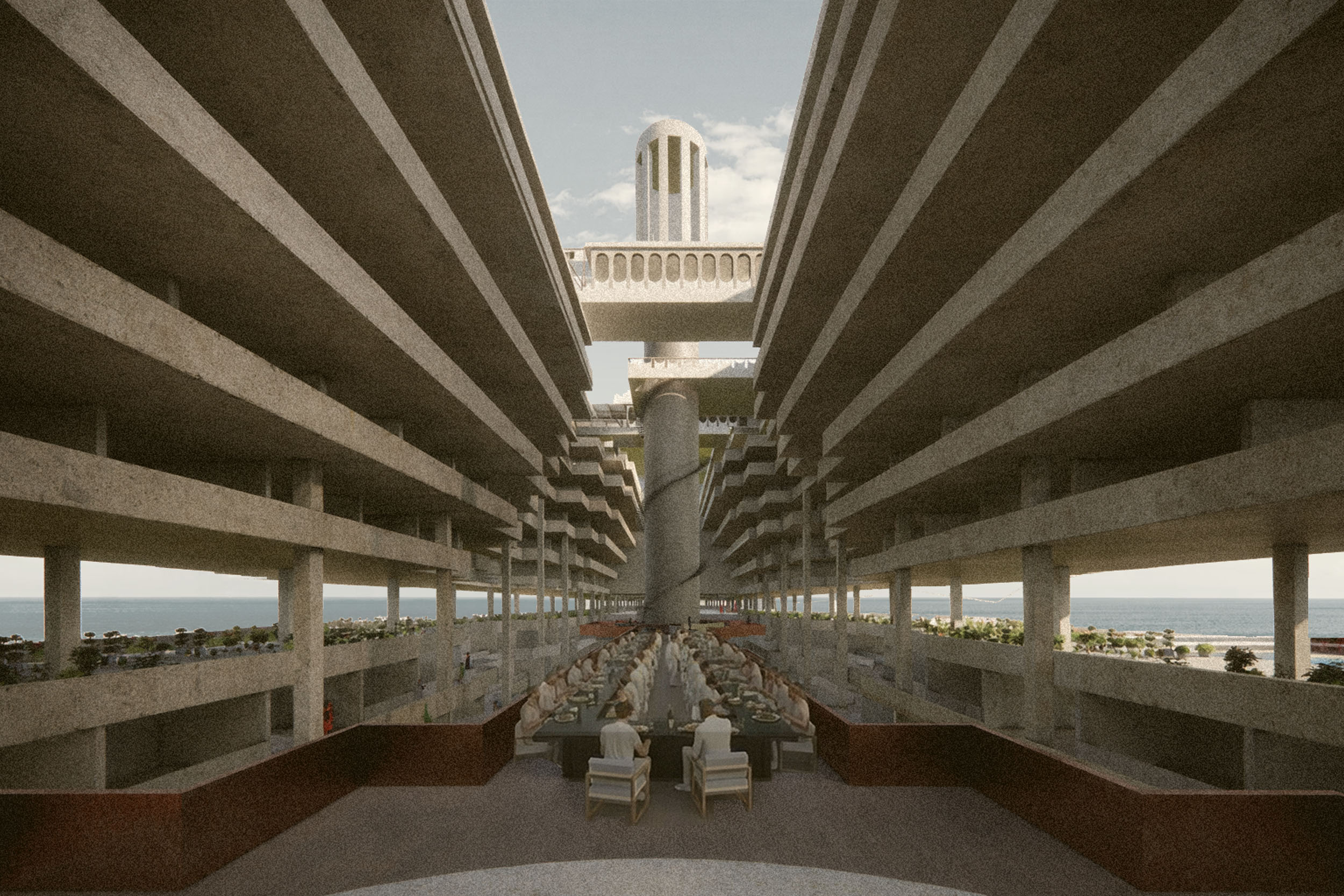
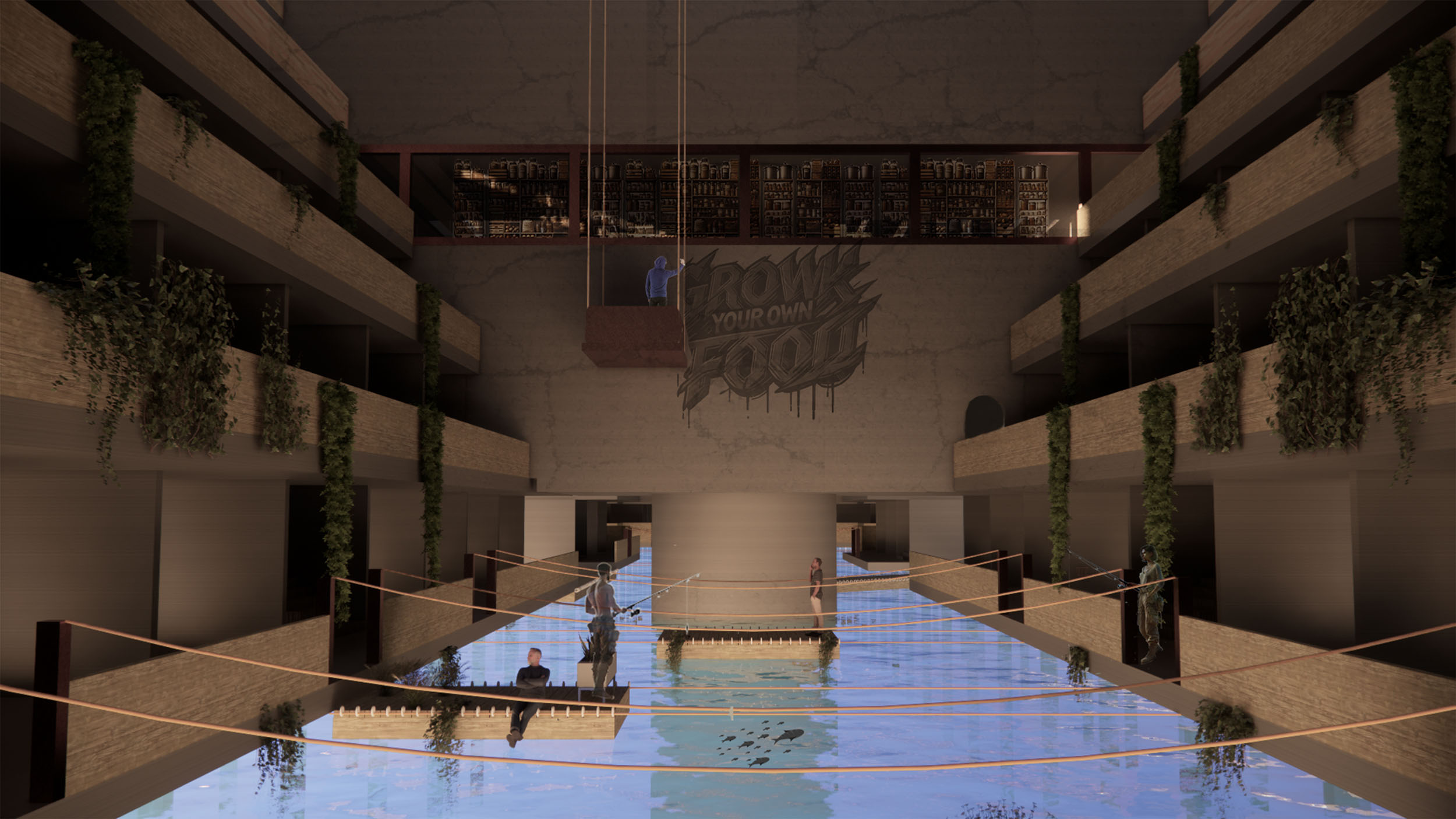
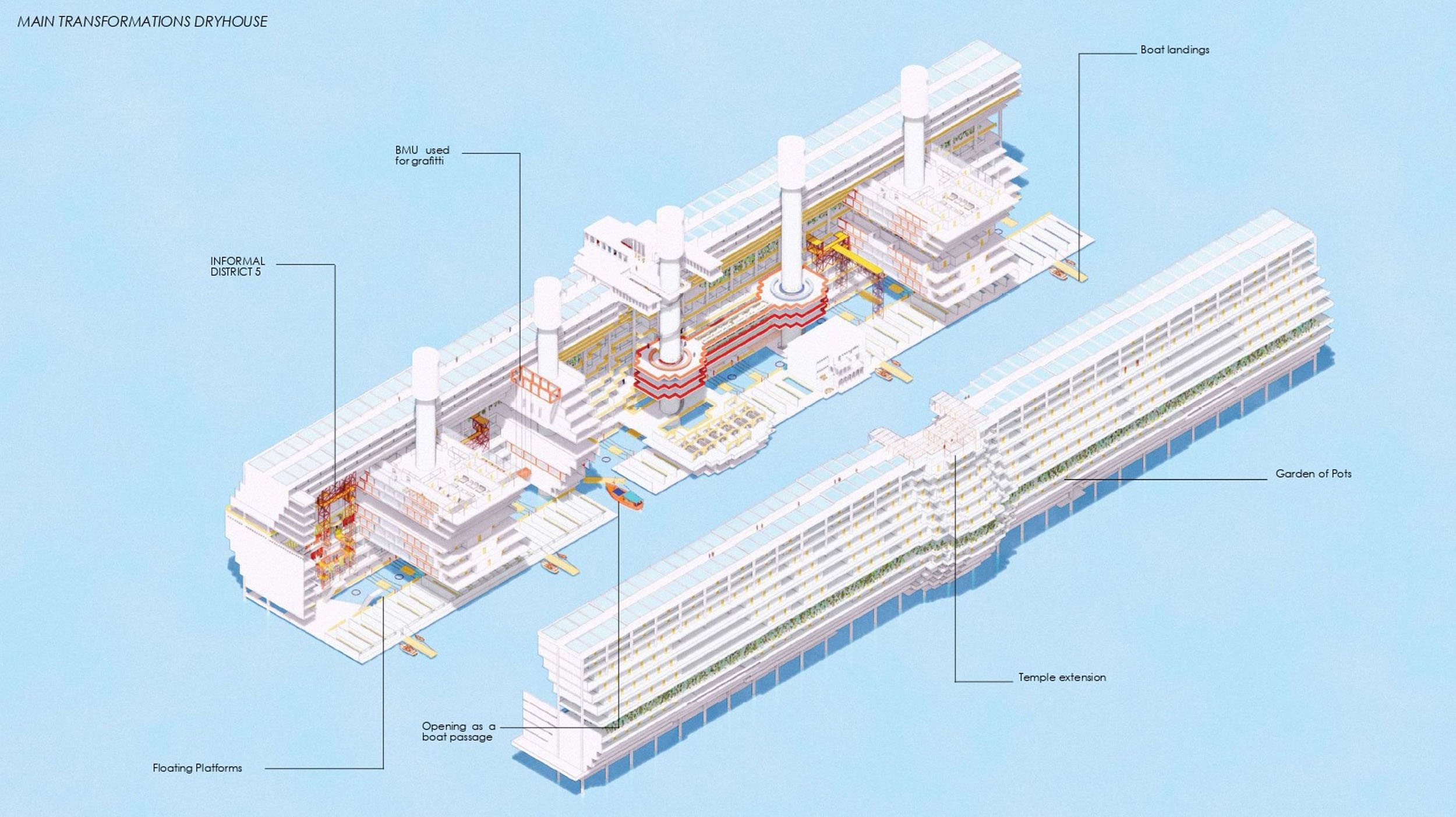
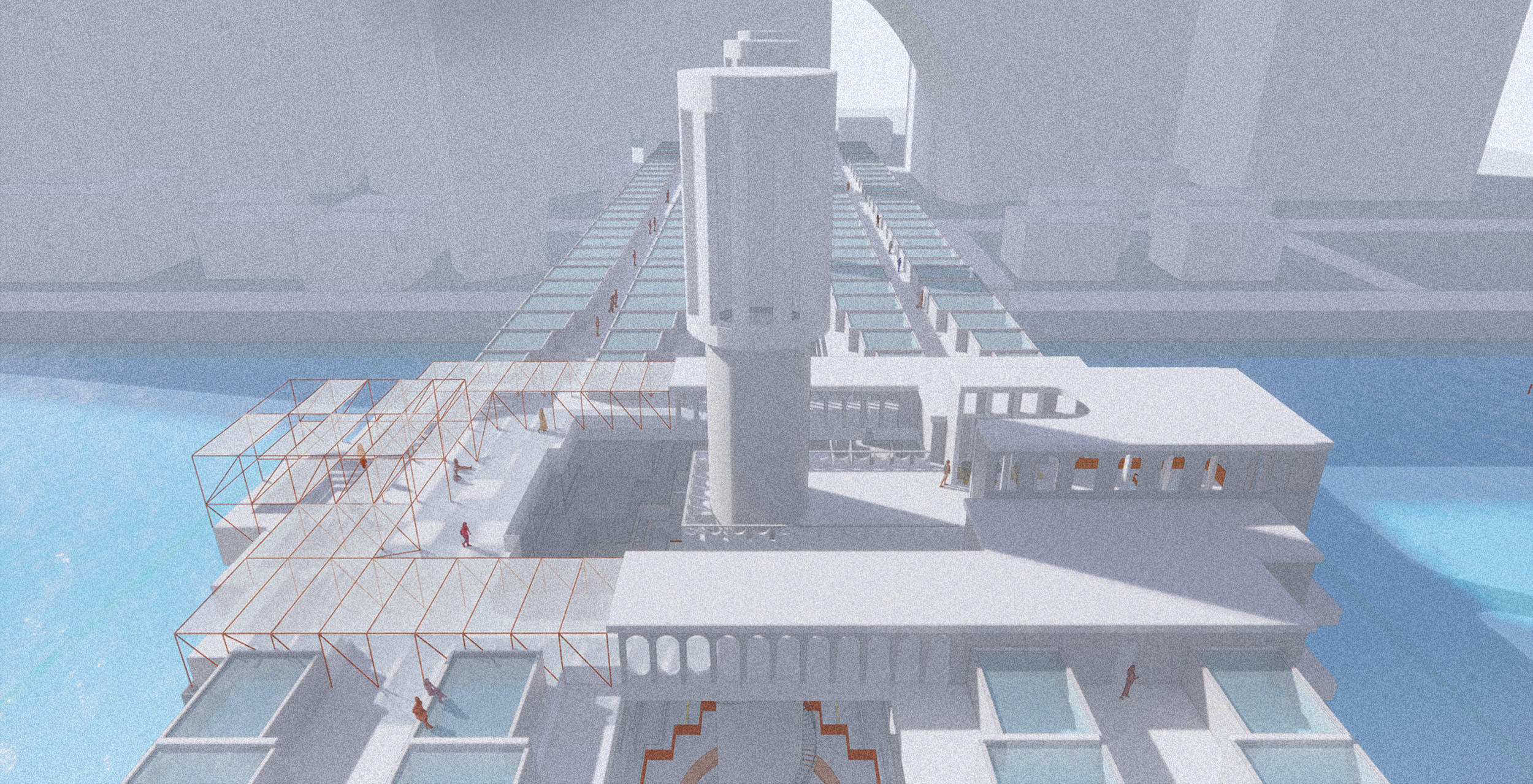
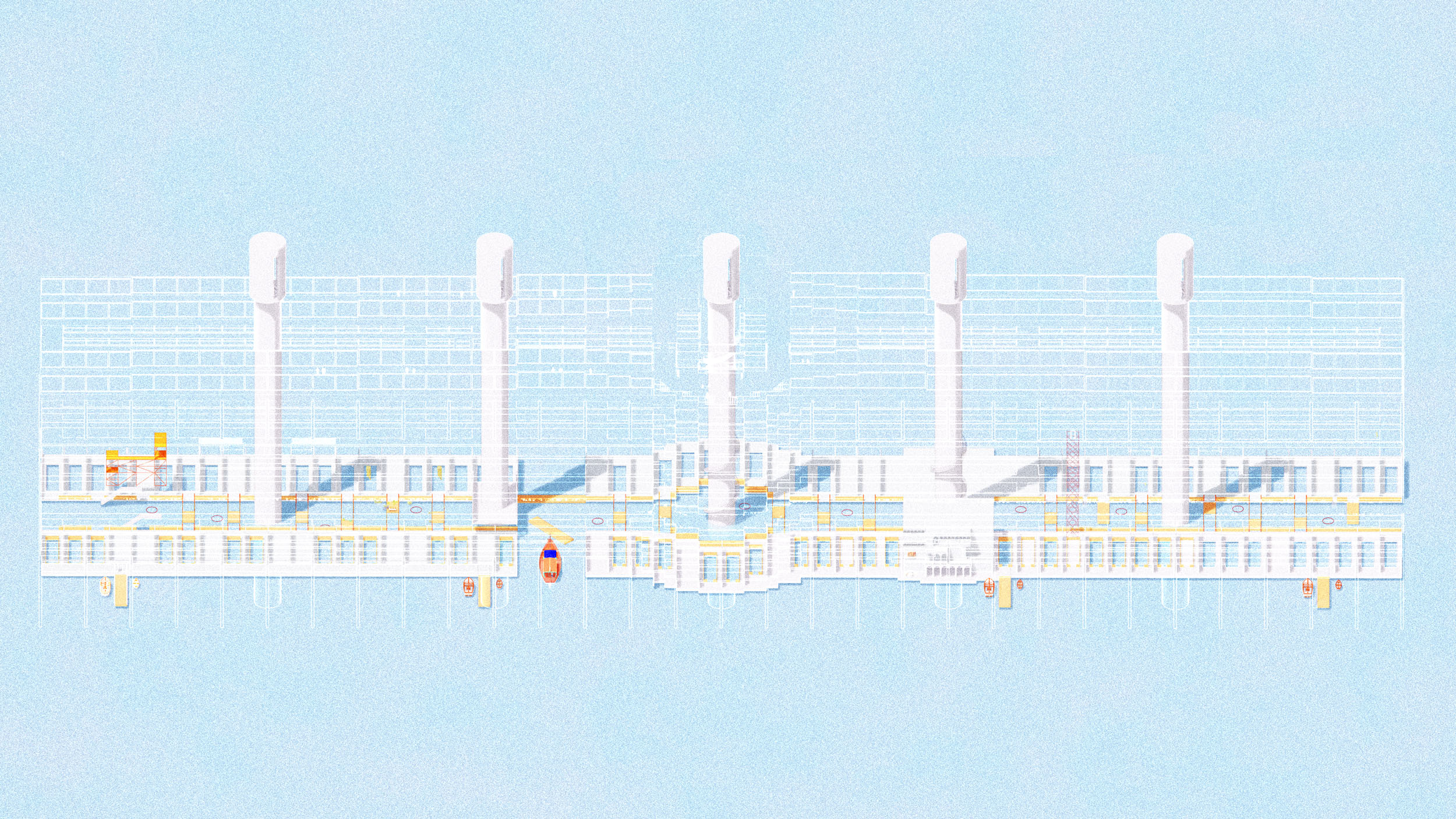
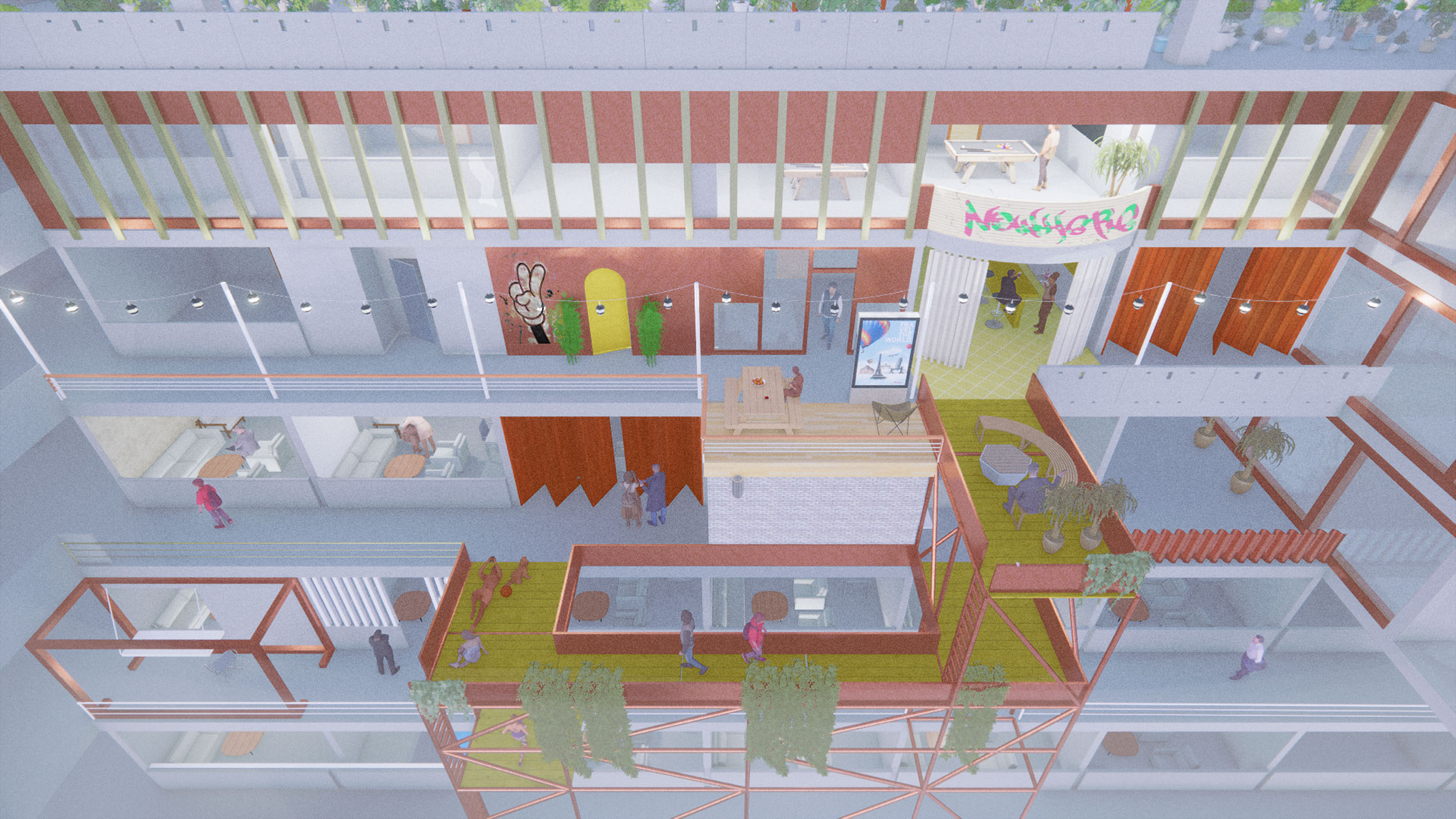
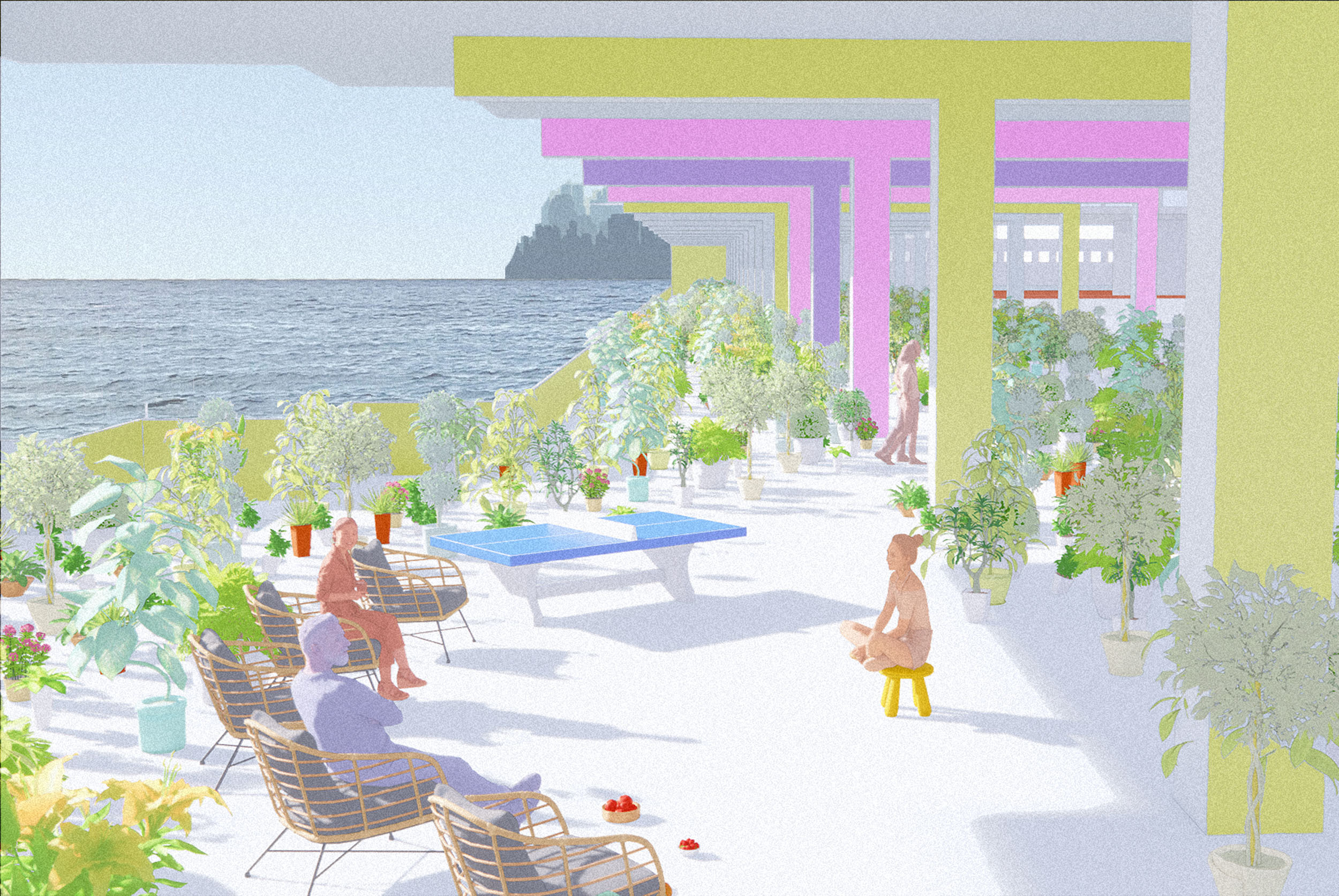
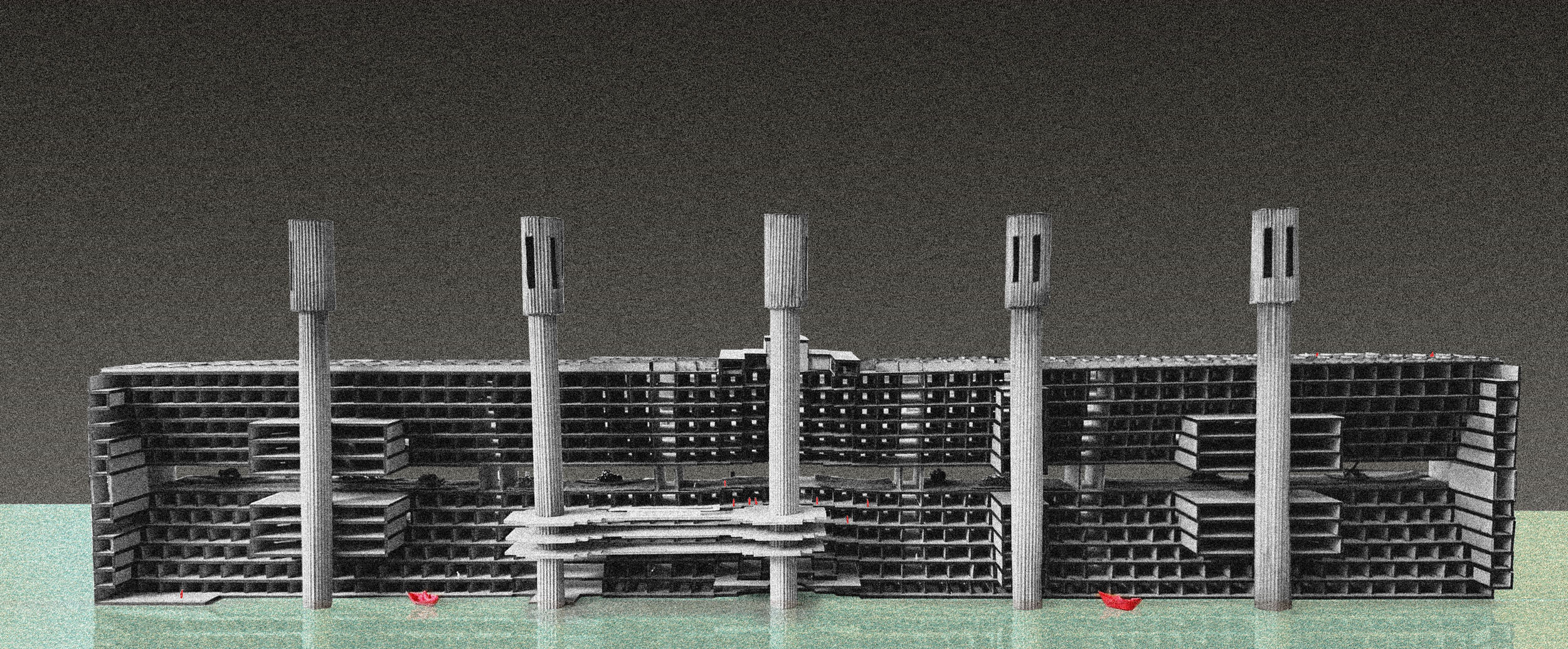
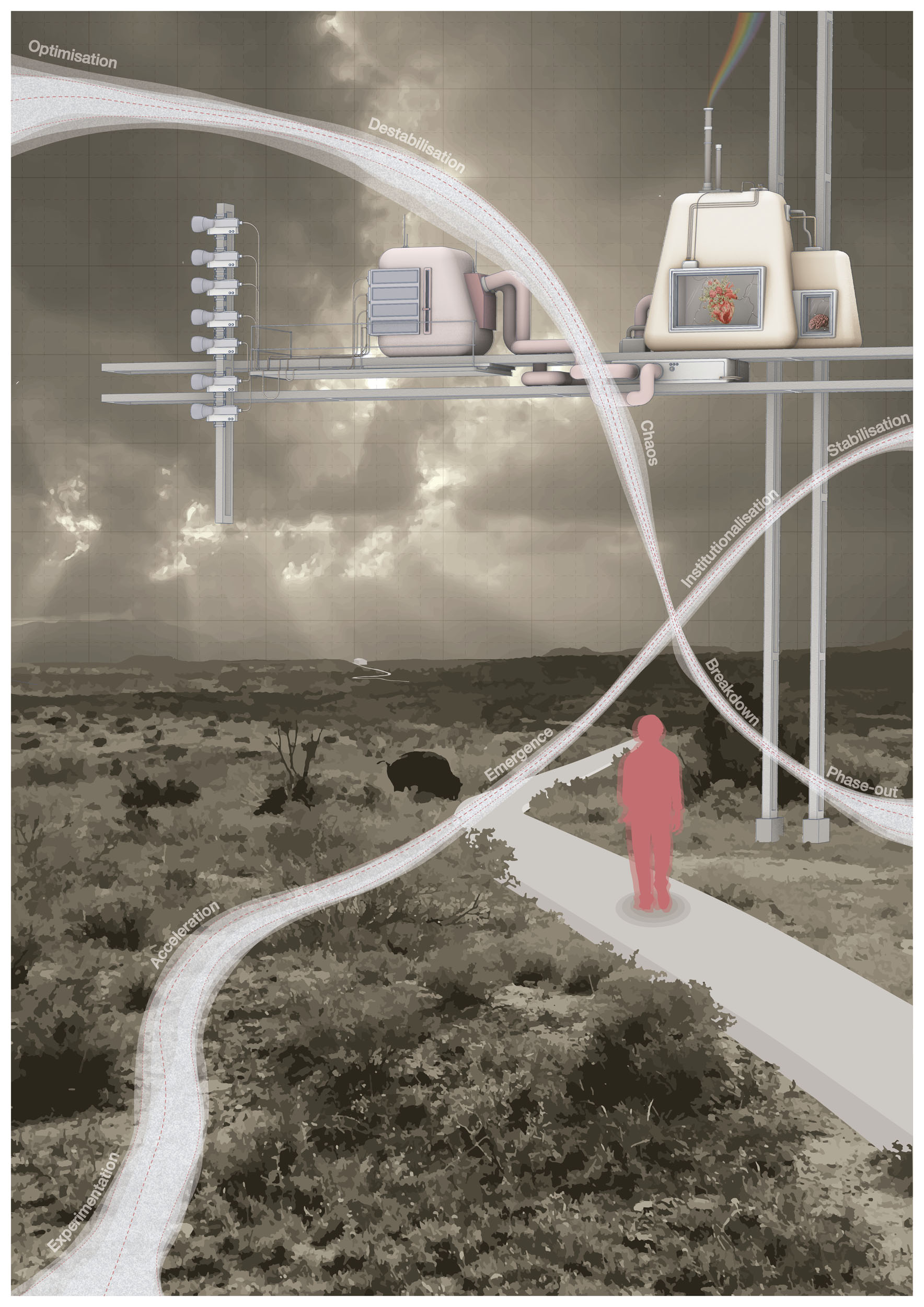
The Dryhouse 2450 is a speculative architectural project set 400 years into the future. It reimagines the city of Marseille after an aggressive process of development that has pushed both the urban fabric and surrounding climate toward environmental collapse. In response, a new regime establishes an alternative framework for living, proposing a society organized around work, collective life, and survival within a vast megastructure. The building is imagined not as a static object but as a living framework that evolves over time. As the lives of its inhabitants change, the architecture adapts with them, gradually transforming into a dense burst of informal extensions, modifications, and layered spaces shaped by everyday use. These modifications are based on reuse of old materials, rooted on the principles of Sufficiency.
WHERE SOCIAL PROSPERITY GROWS: Cultivating Societal Transitions through the Power of
Community Design – Iban Bikowski
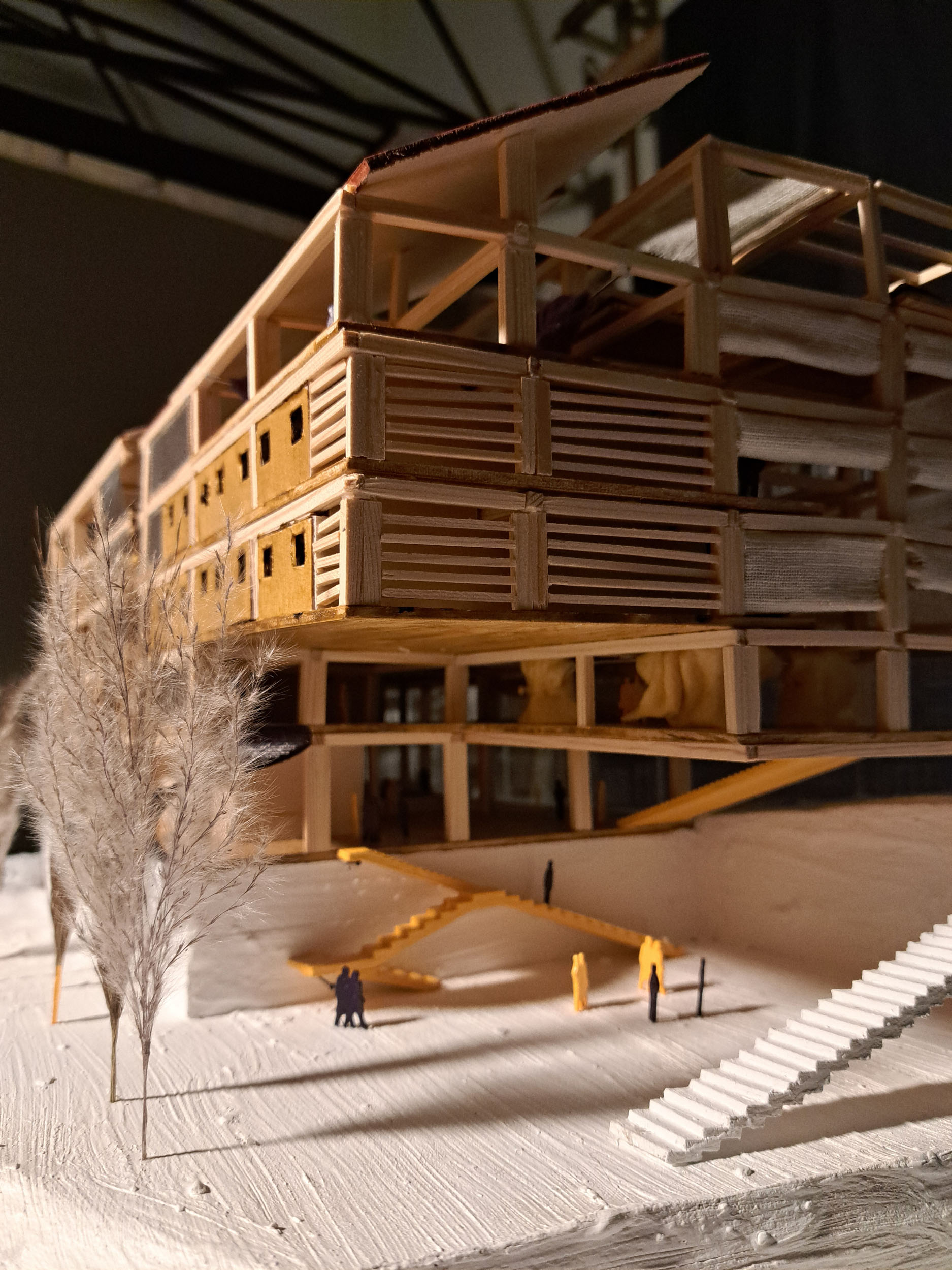
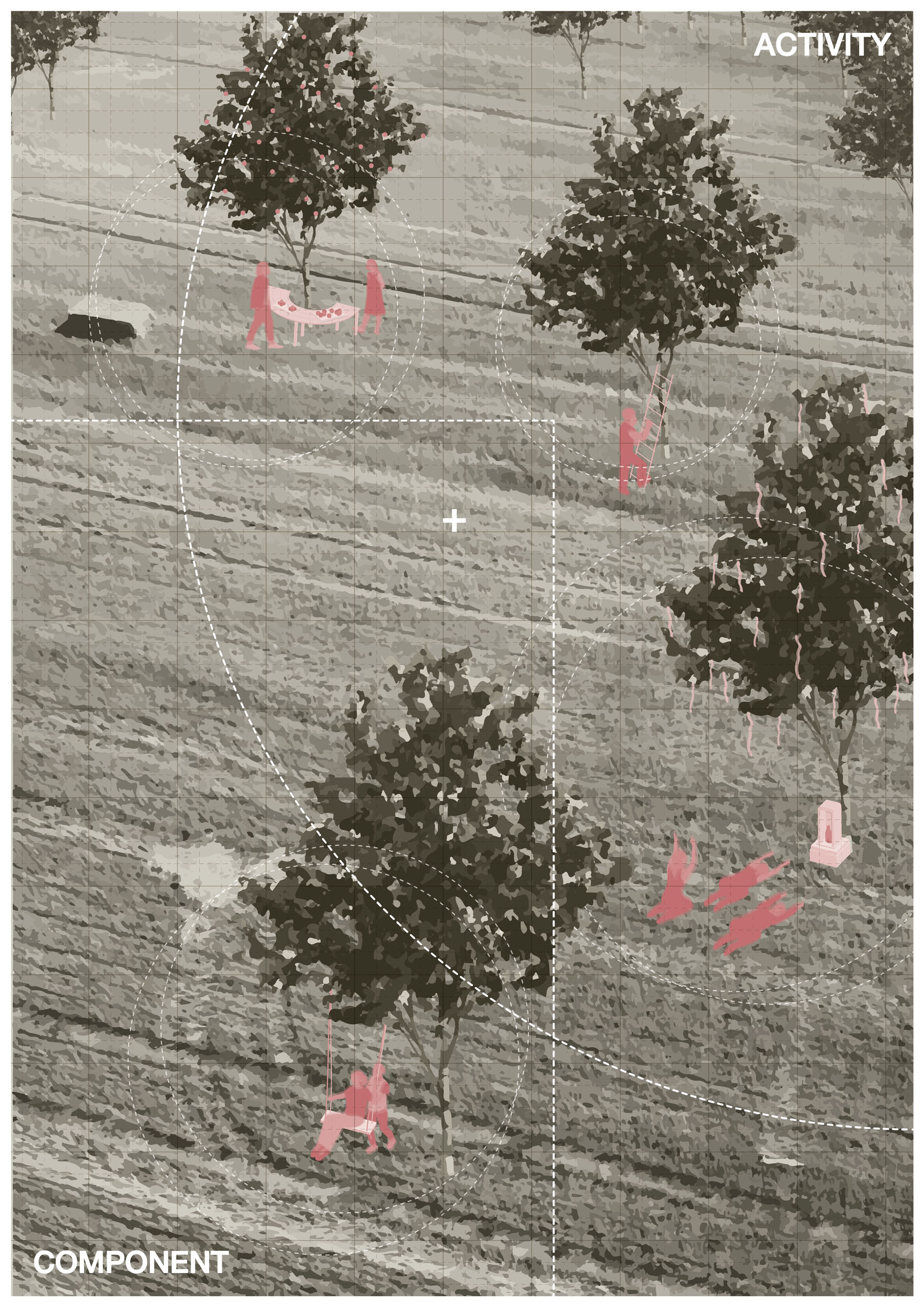
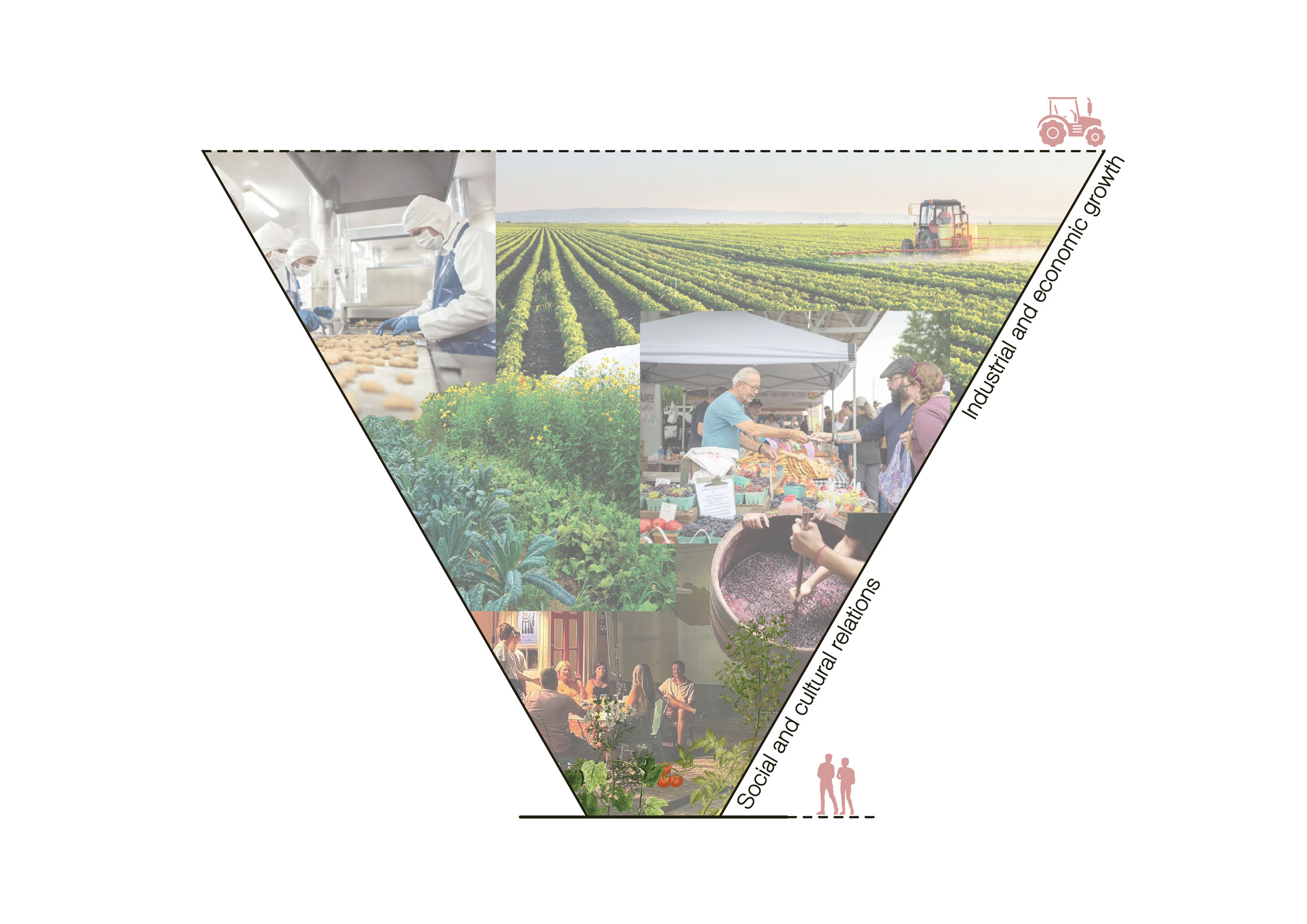
The project explores how architecture can facilitate societal transitions needed to adjust to contemporary social-economic pressures. Drawing from the concept of (re)territorialization, it argues that society must gradually reframe its perspective on prosperity to enable change. Through community-based design, architecture can act as a guide towards ways of living within planetary boundaries. In this way, we can create space for an eutopia. One in which we live not specifically better, not worse, but one in which we can live different lives while being happier than ever before.
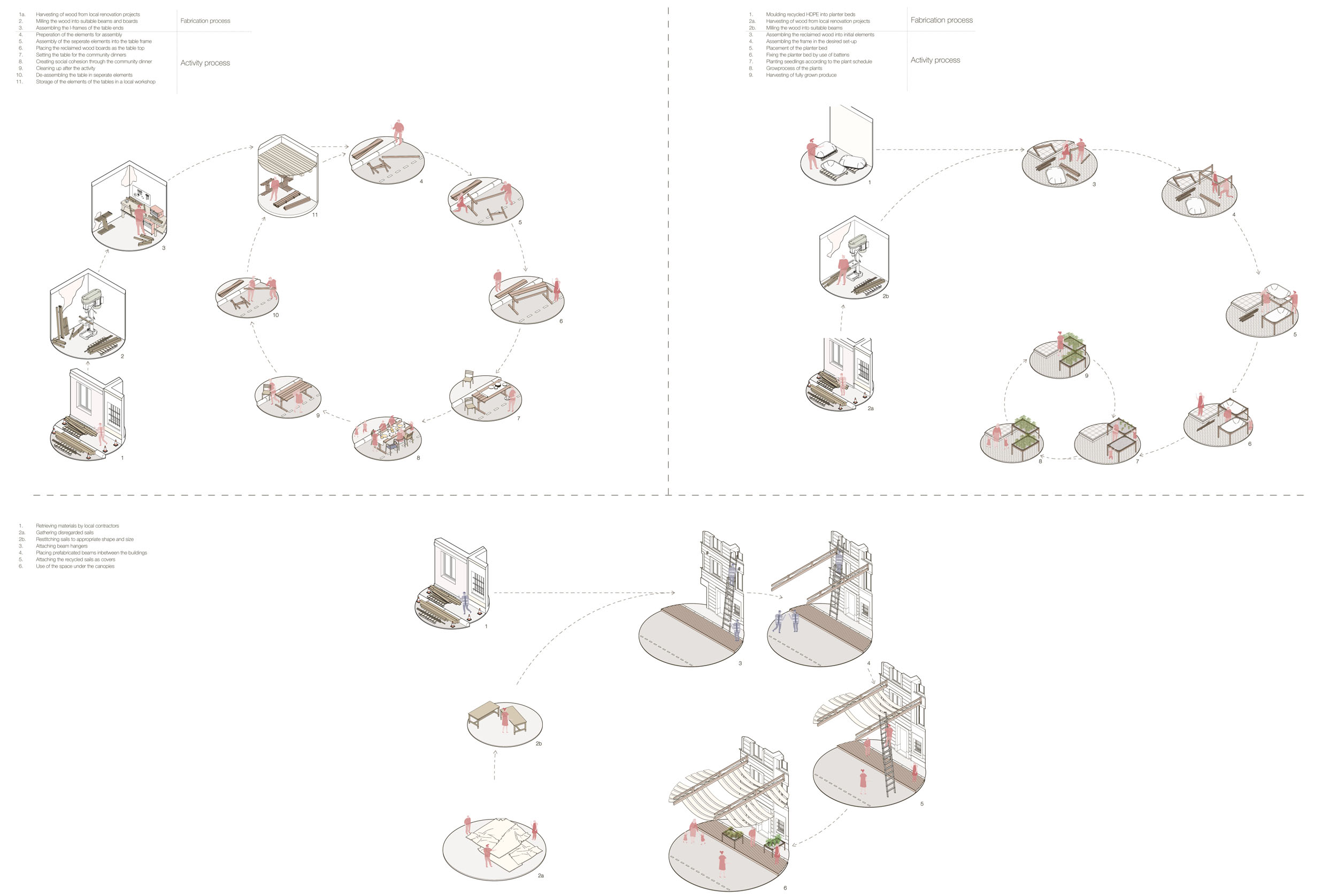
CONNECTING THROUGH THE BOUNDARY – Tom van Well
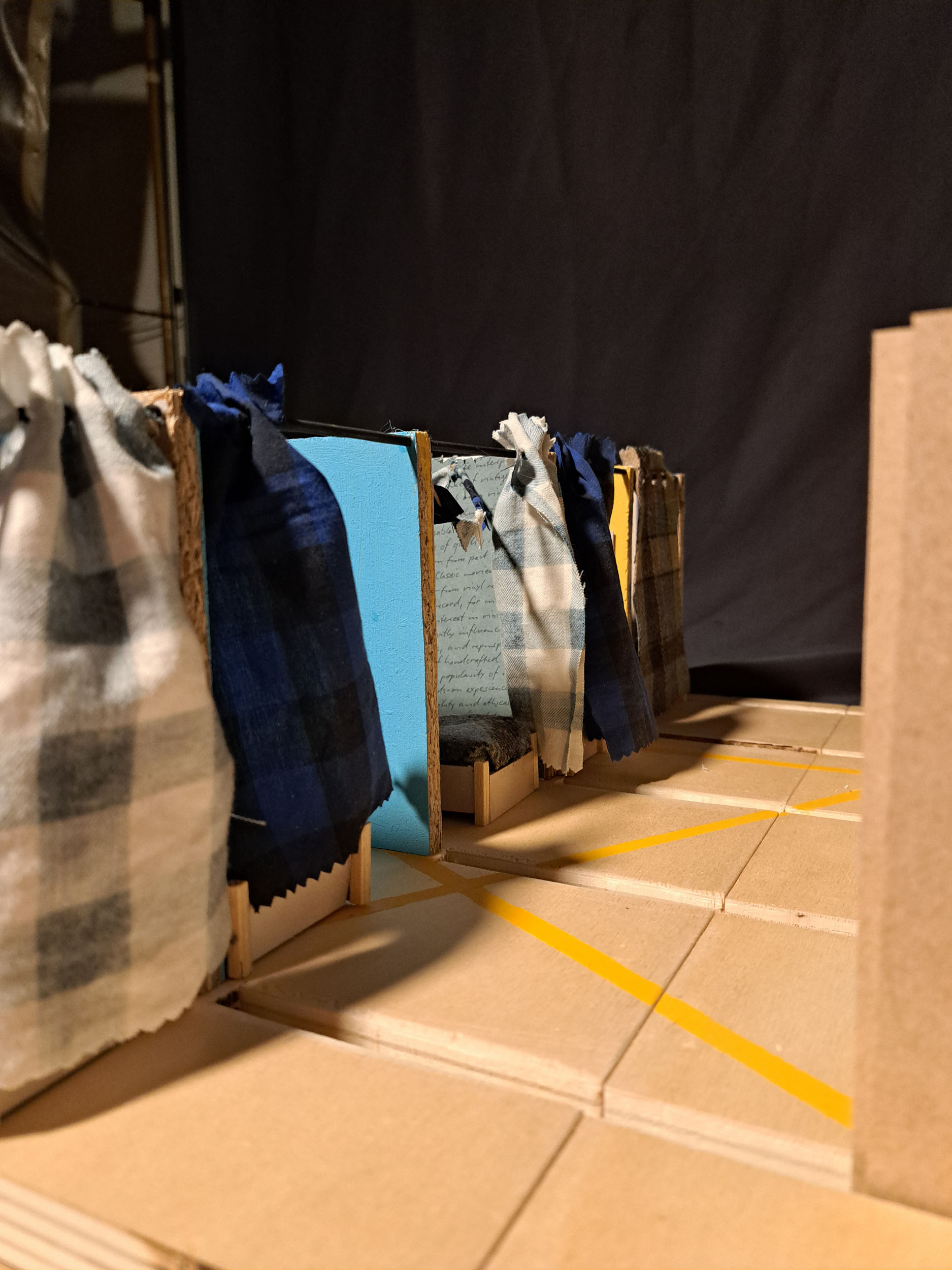
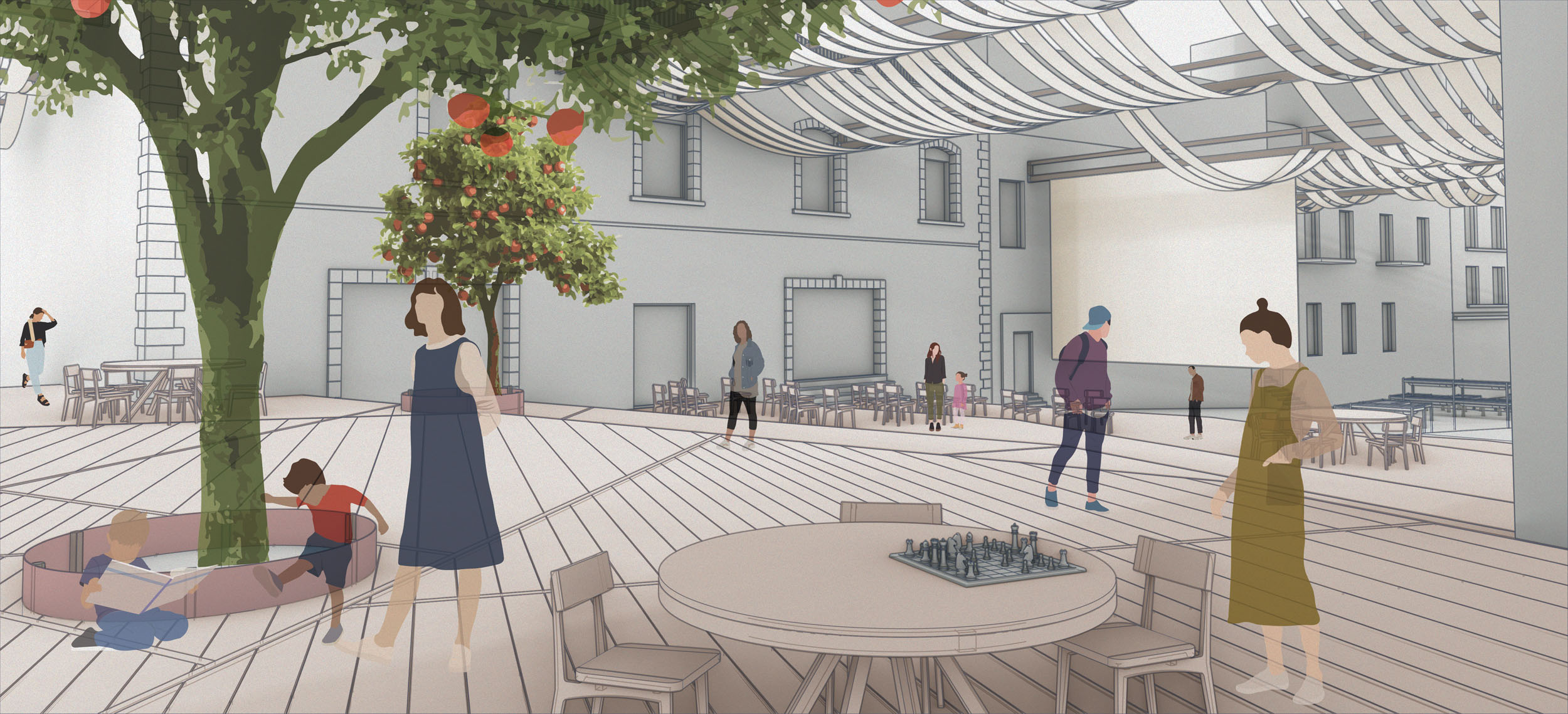
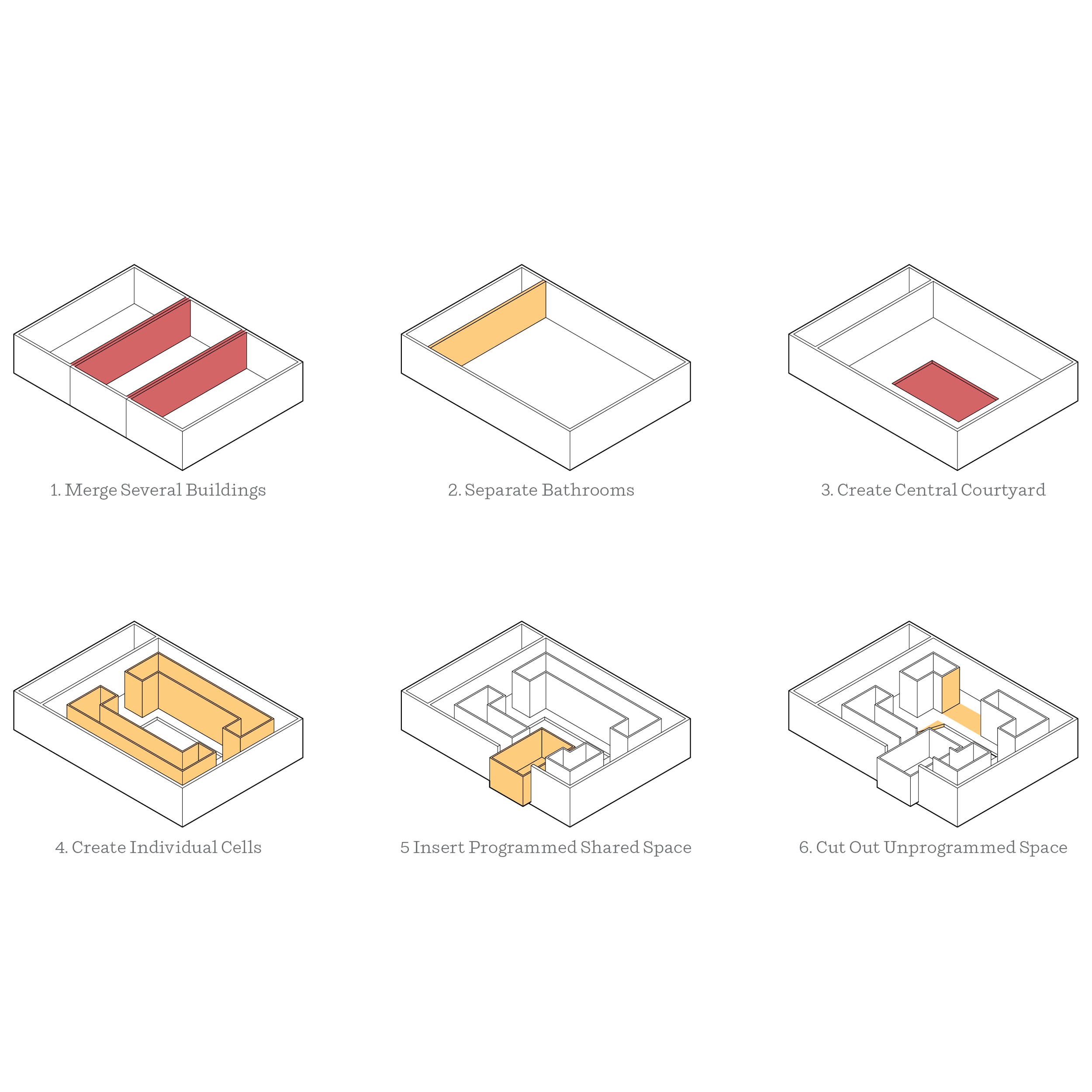
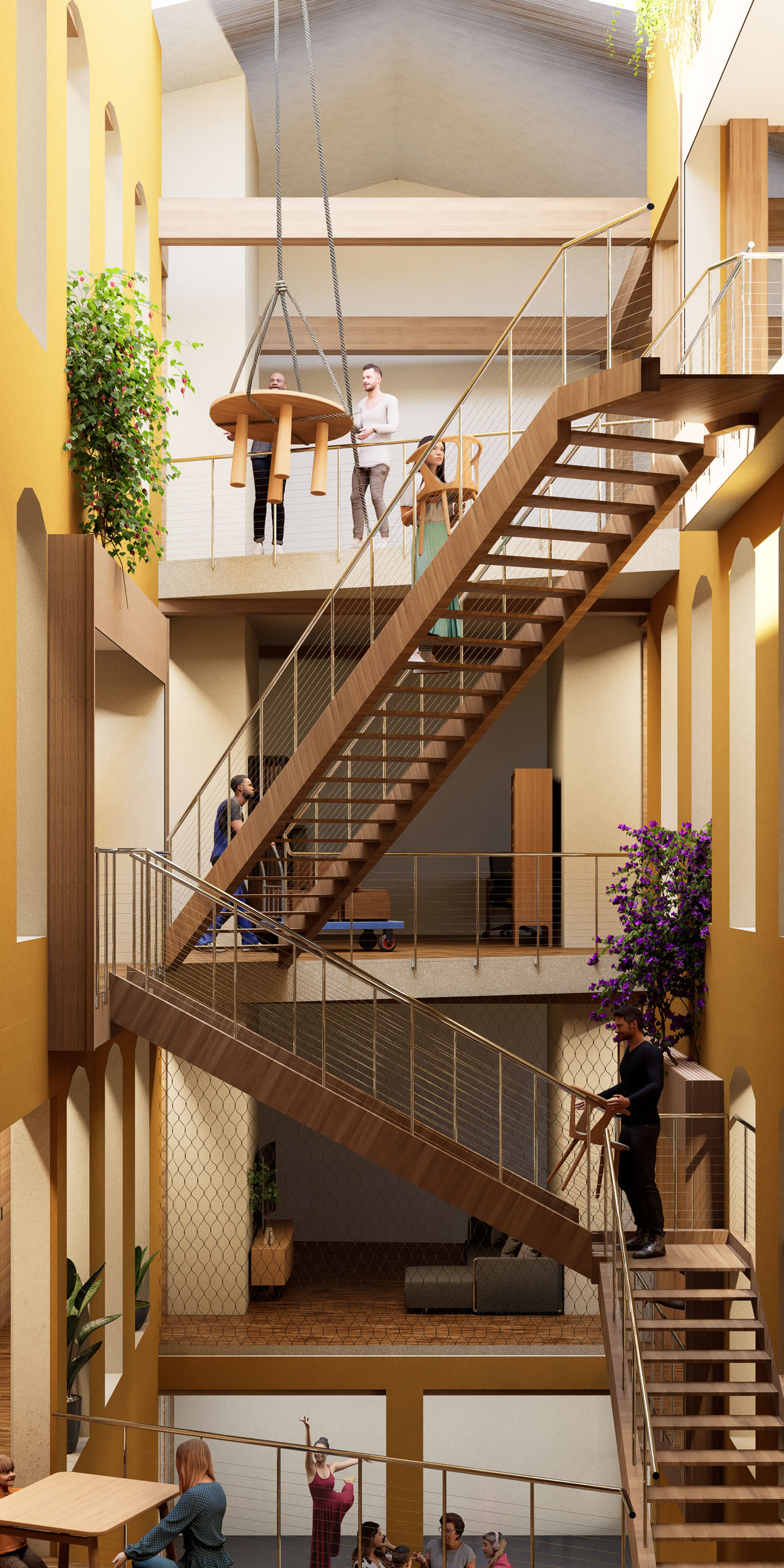
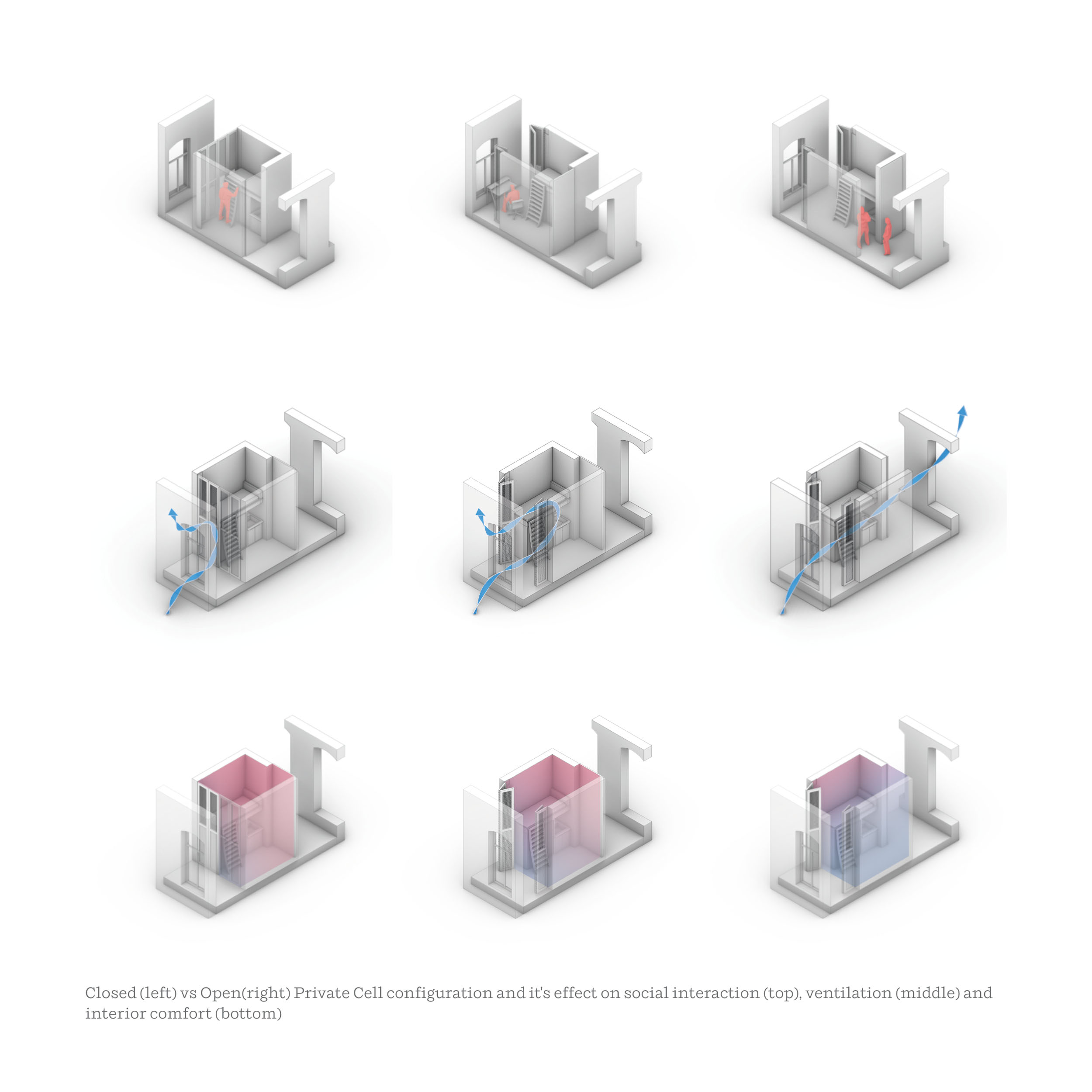
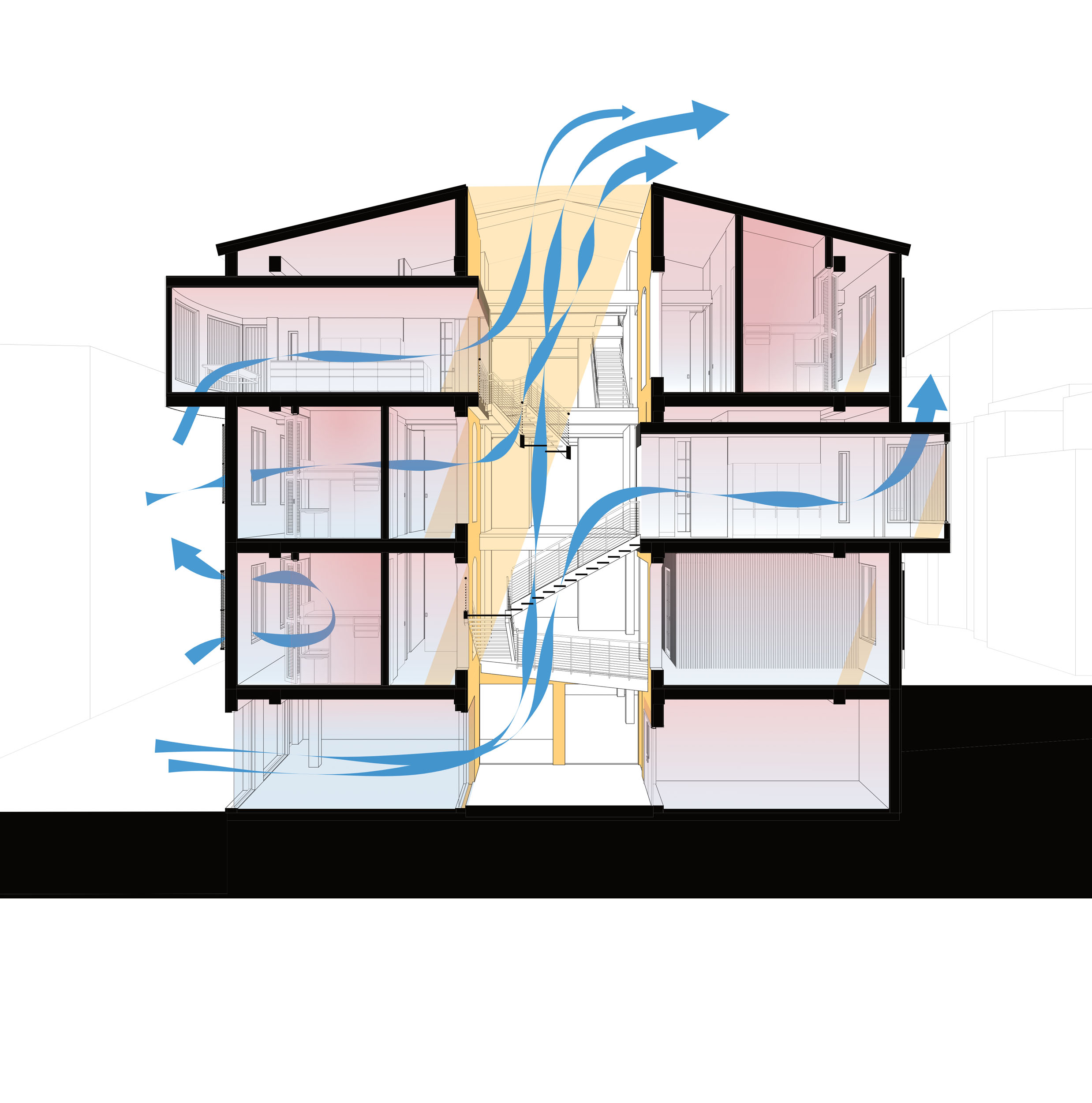
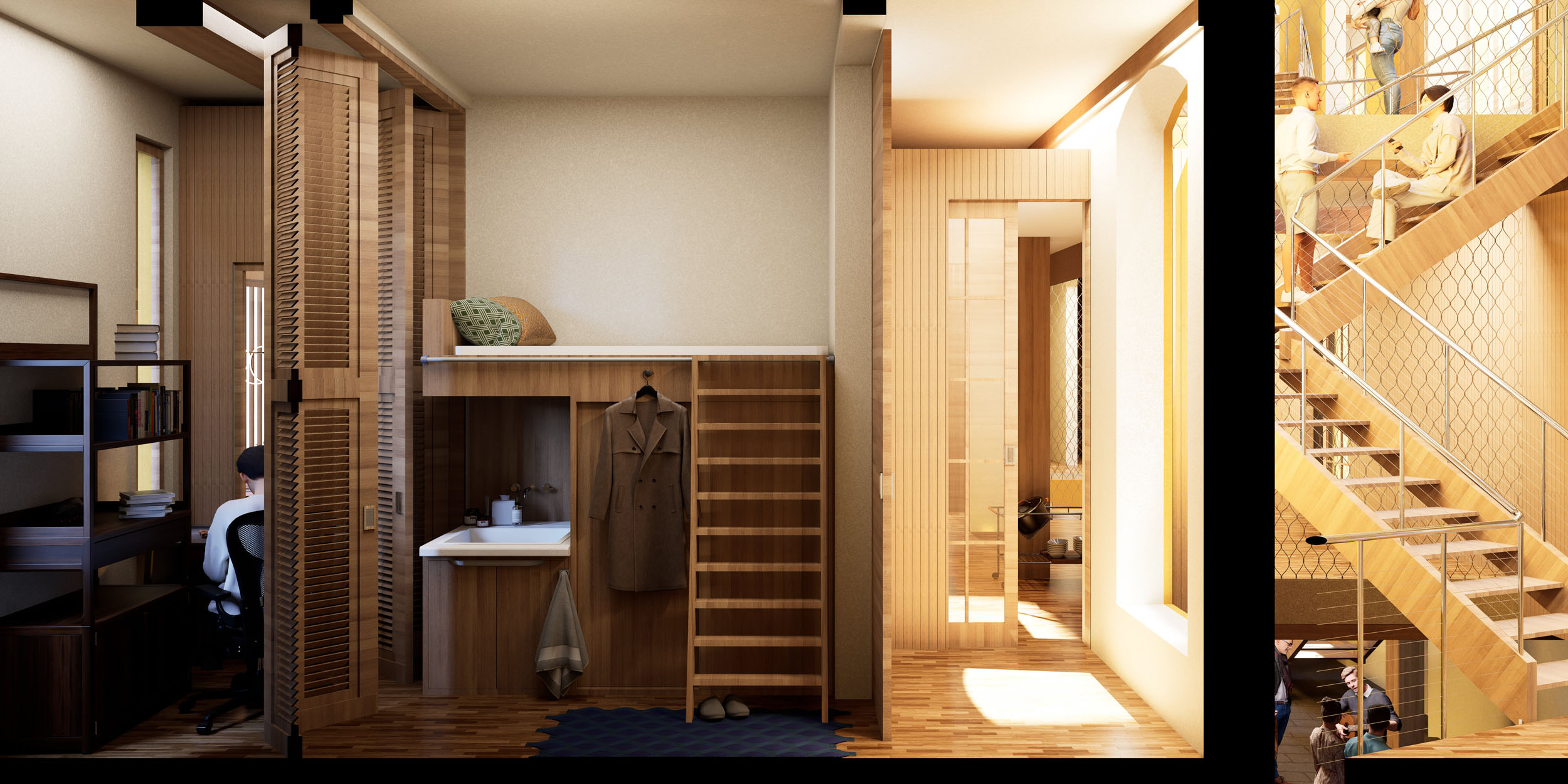
The project investigates the current living conditions of people in terms of comfort. How we have become accustomed to comfort and how it has moved from a goal to be attained to an assumption that is made. It investigates how interior comfort can influence people’s social participation and how it can act as an incentivizing force to let society become more emphatic and social. It takes shape in a transformation and densification of a Marseillaise housing type called the Trois Fenetres type. It introduces stack ventilation in the form of a spacious courtyard that also acts as a connecting space for the whole building. The private space of individuals is minimized to allow shared spaces to be used and facilitate interaction in these spaces, squeezing out the act of dwelling from private to communal living.
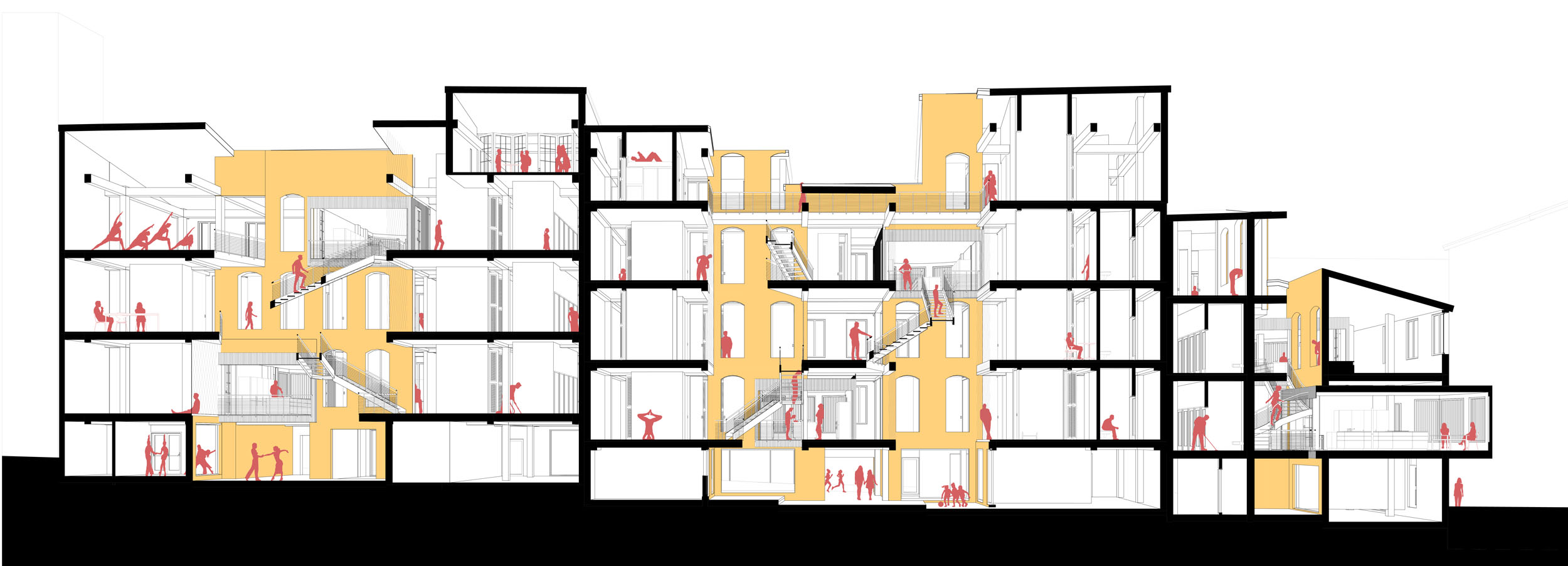
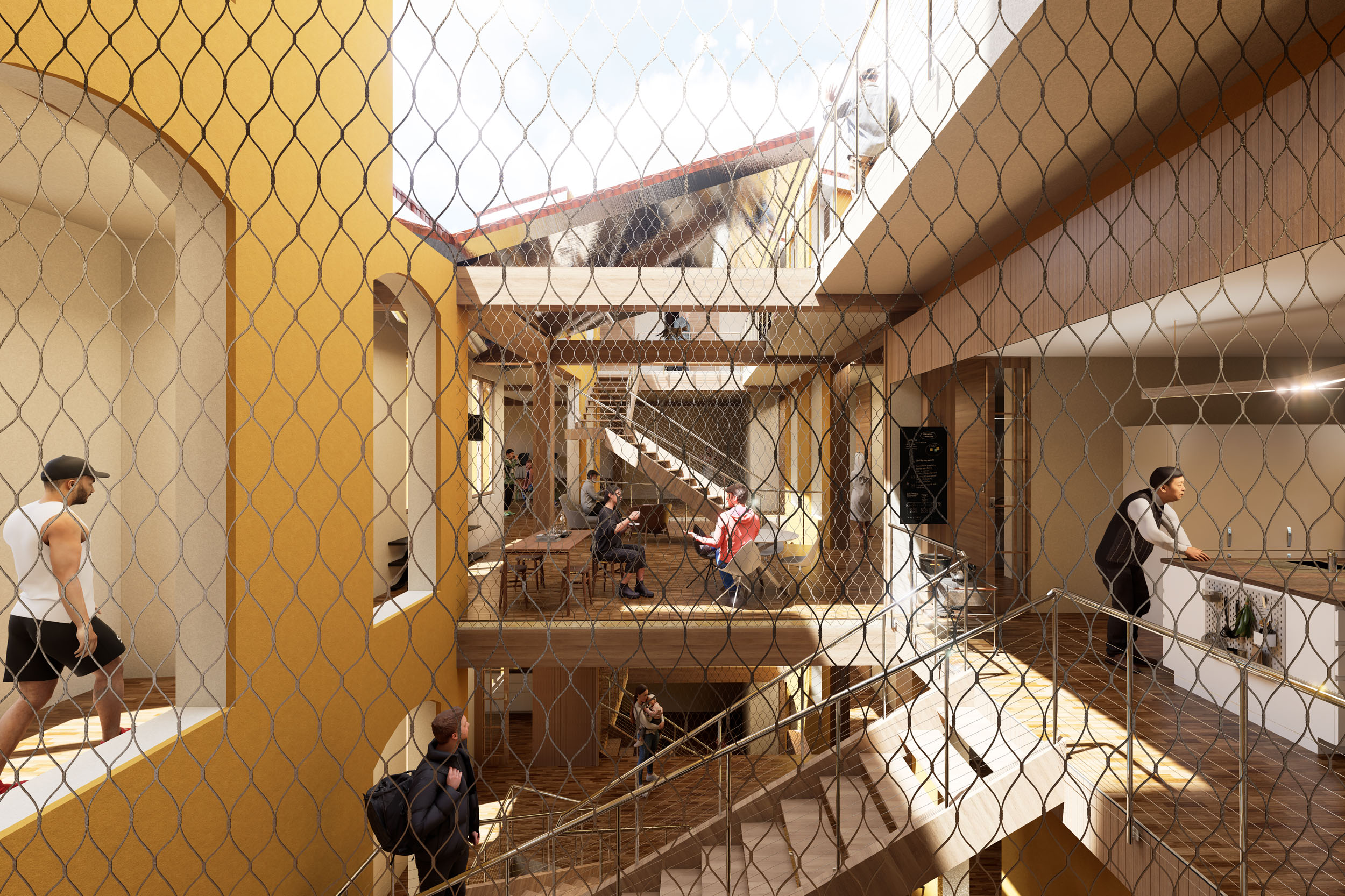
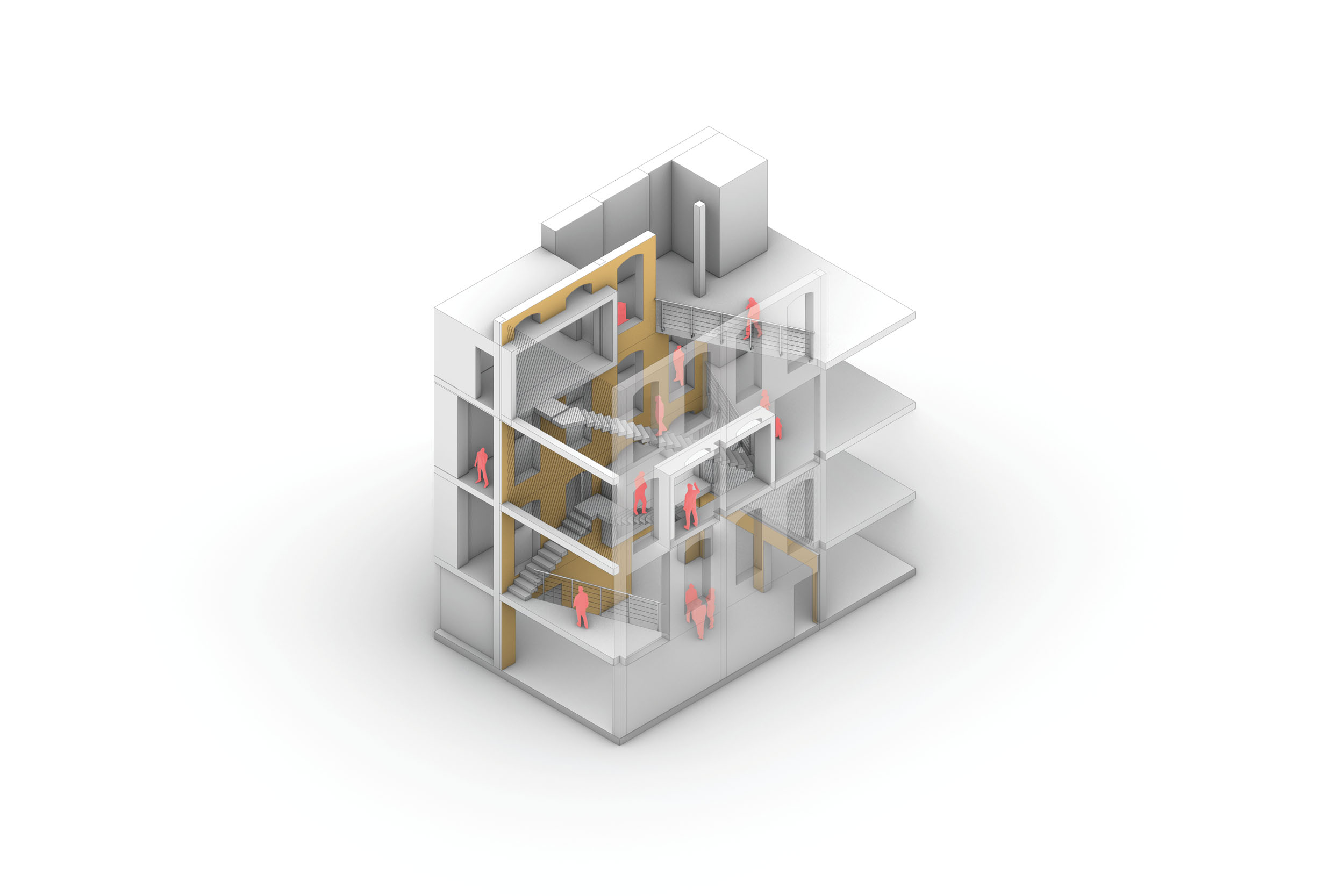
UN LOGEMENT DIGNE – Wies Pruijn
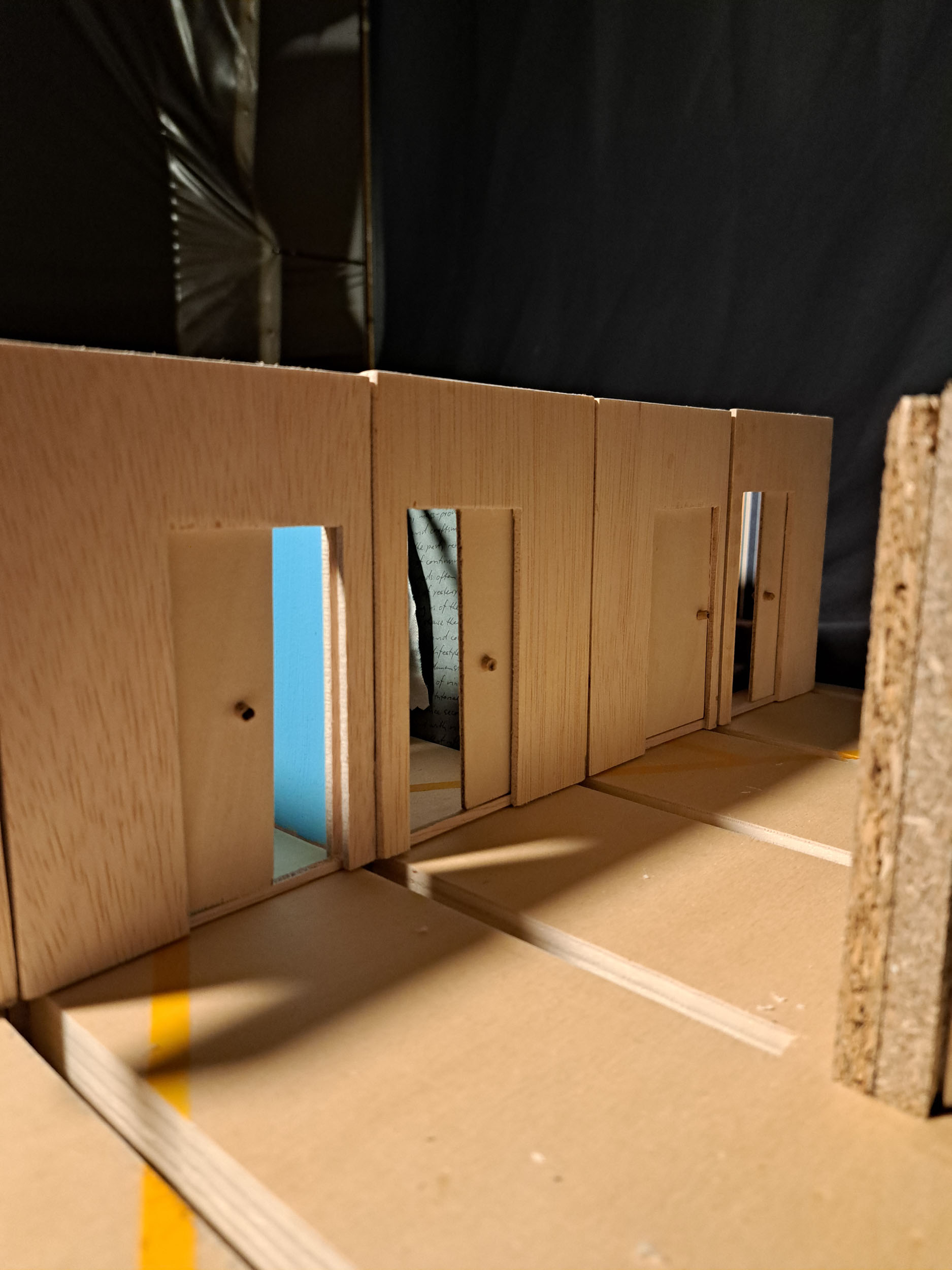
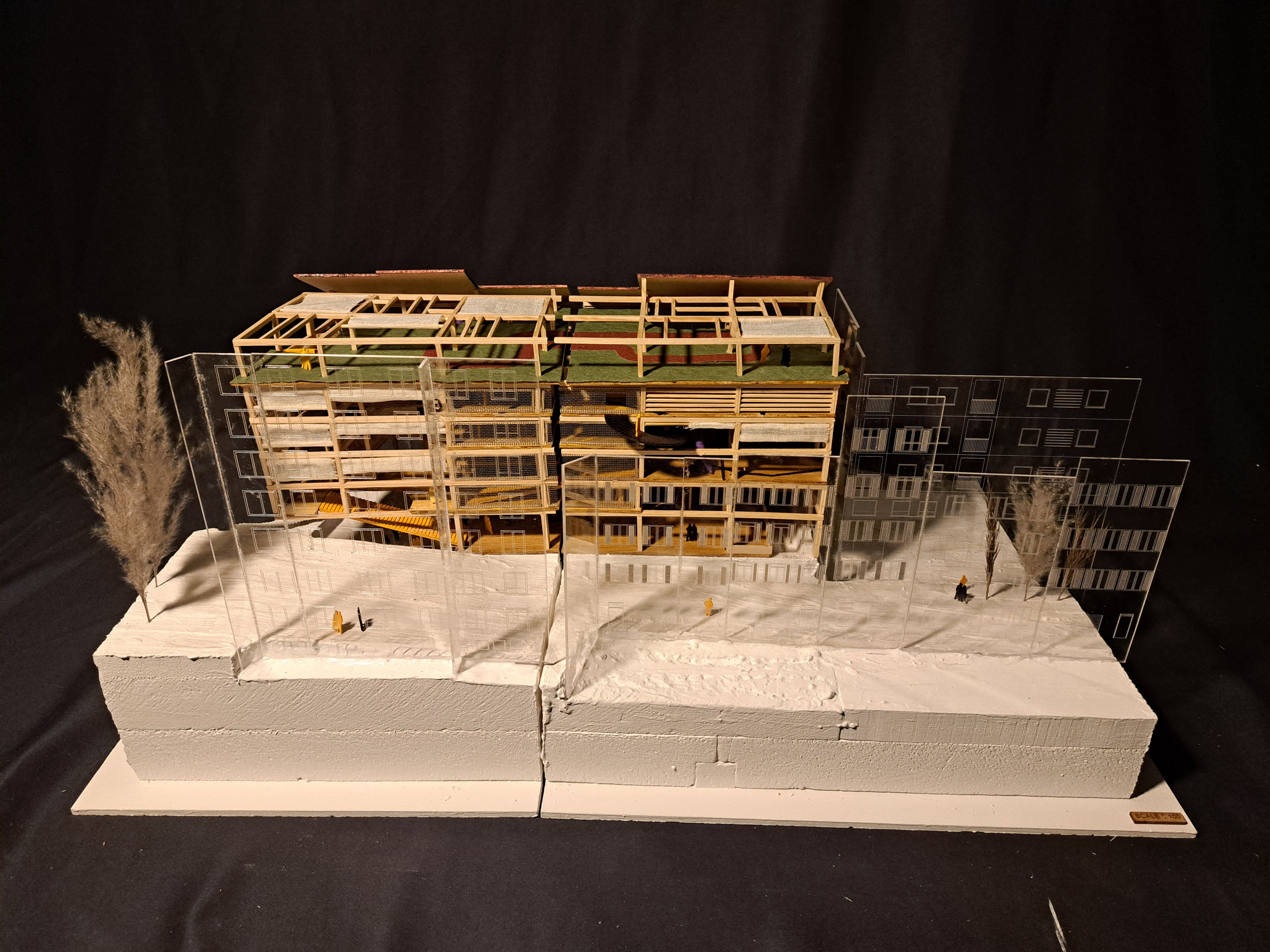
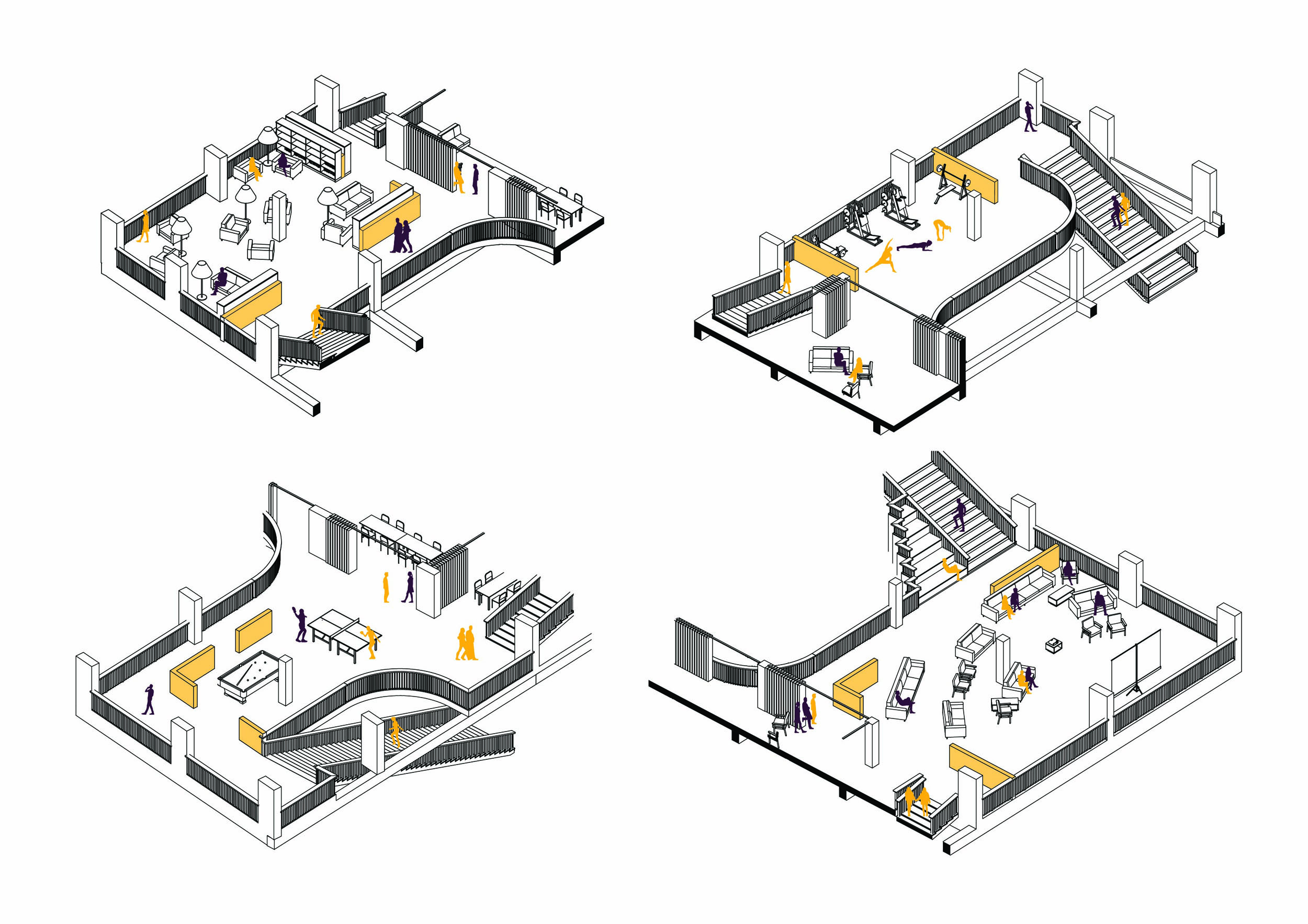
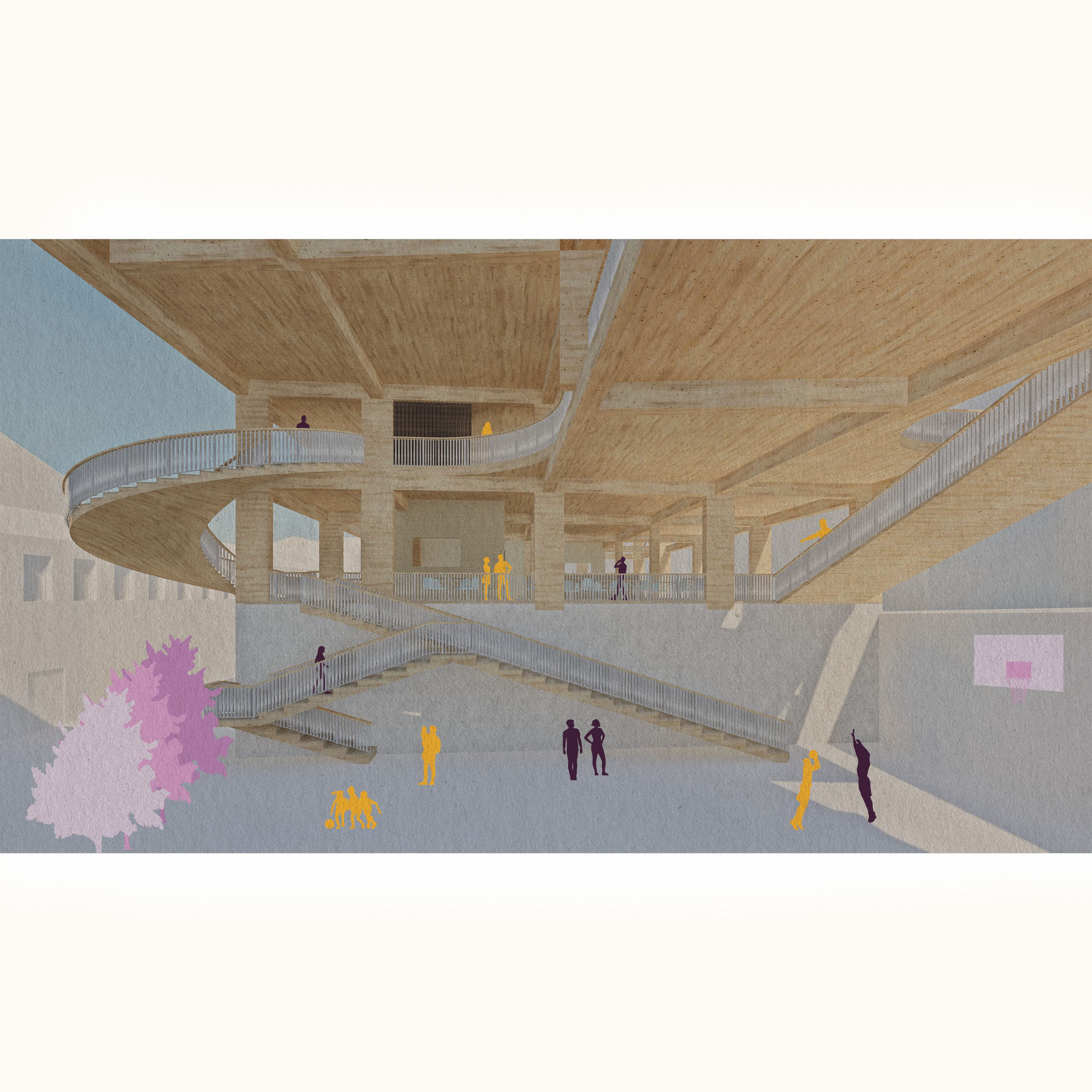
Residents of Marseille are facing multiple challenges nowadays. To provide a dignified housing situation, a homeless shelter is designed with adaptable features such as different shading techniques, sliding partition walls and extendable walls. Interaction and meeting inside the building is emphasised, as it also functions as community center. Movement is stimulated through the activity areas on each corner, with a direct routing of stairs. Privacy for residents is reassured by adding a second circulation routing. Through this design, the target groups are motivated to get in contact with each other and with other residents of the neighbourhood. A logement digne is created to protect the most vulnerable residents of Marseille.