Most architecture has a more or less utilitarian function (but good architecture always transcends a narrow strictly serving role!). The first one is the folly: an architectural work of art; an expression of spatial, material and formal play, with its own rules. Follies don’t serve a practical purpose; they are free from utilitarian notions of function. Follies might have minor casual uses such as viewpoint or meeting points in public spaces, but nothing that resembles the design brief of e.g. housing, offices, and museums. The other genre is that of the sacral. Traditionally a place for the gods or spiritual experiences. Here too, practical functions are subordinate to non-utilitarian functions such as providing the conditions for awe, silence and contemplation, light and enlightenment, positive disintegration, and inner experience.
Teachers: Hajo Schilperoort
Folly
ad nihilum: a place of nothing – Andra Condurache
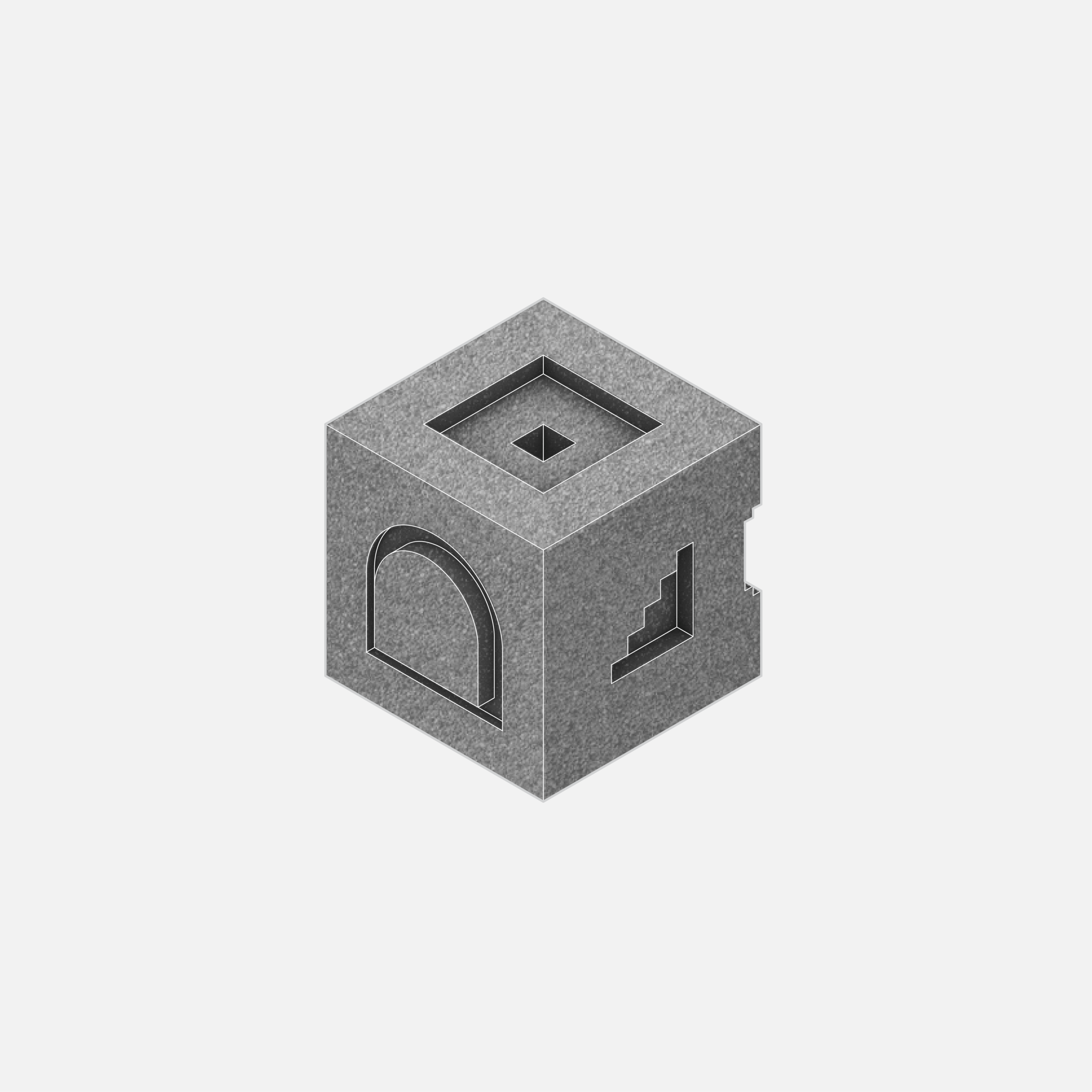
The folly is a 4×4 meter monolithic concrete cube that materializes the concept of negative architecture. It displays false architectural elements, such as doors, windows and stairs, elements that suggest function but lead nowhere. Inspired by Bernard Tschumi’s disjunctions, John Hejduk’s tragic narratives and Emil Cioran’s existential despair, the folly offers one real gesture: a crawlspace as an entry. Neither tomb nor home, the folly becomes a place for voluntary disappearance, rejecting use, function or even meaning. As a spatial metaphor for negation, it stages an invisible performance: a one-way passage into nothingness.
The Weight of Silence – Esmae El Bachiri
“The believers are like one body; when one part is in pain, the rest responds with fever and sleeplessness.” — Prophet Muhammad ﷺ
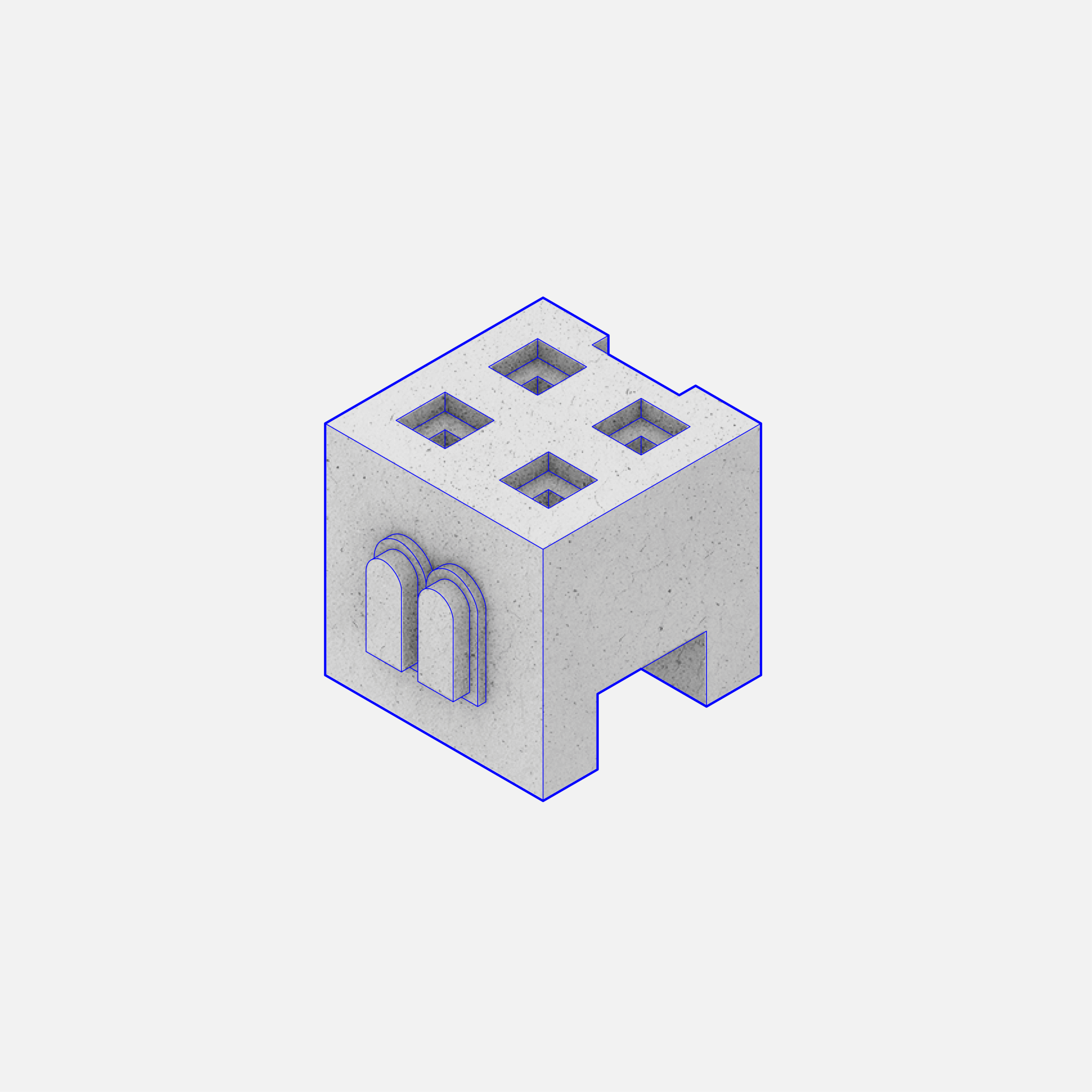
This principle of shared suffering is the foundation of The Weight of Silence. The project is a spatial and political monument exposing the recurring logic of global injustice. Using four crises , Myanmar, Gaza, Congo, and Sudan, as case studies, the project discusses a deeper, central narrative: how systems of dominance sustain oppression through illusion, distance, and silence.
Paludisynthus Hygrophilus – Jairo Jolie
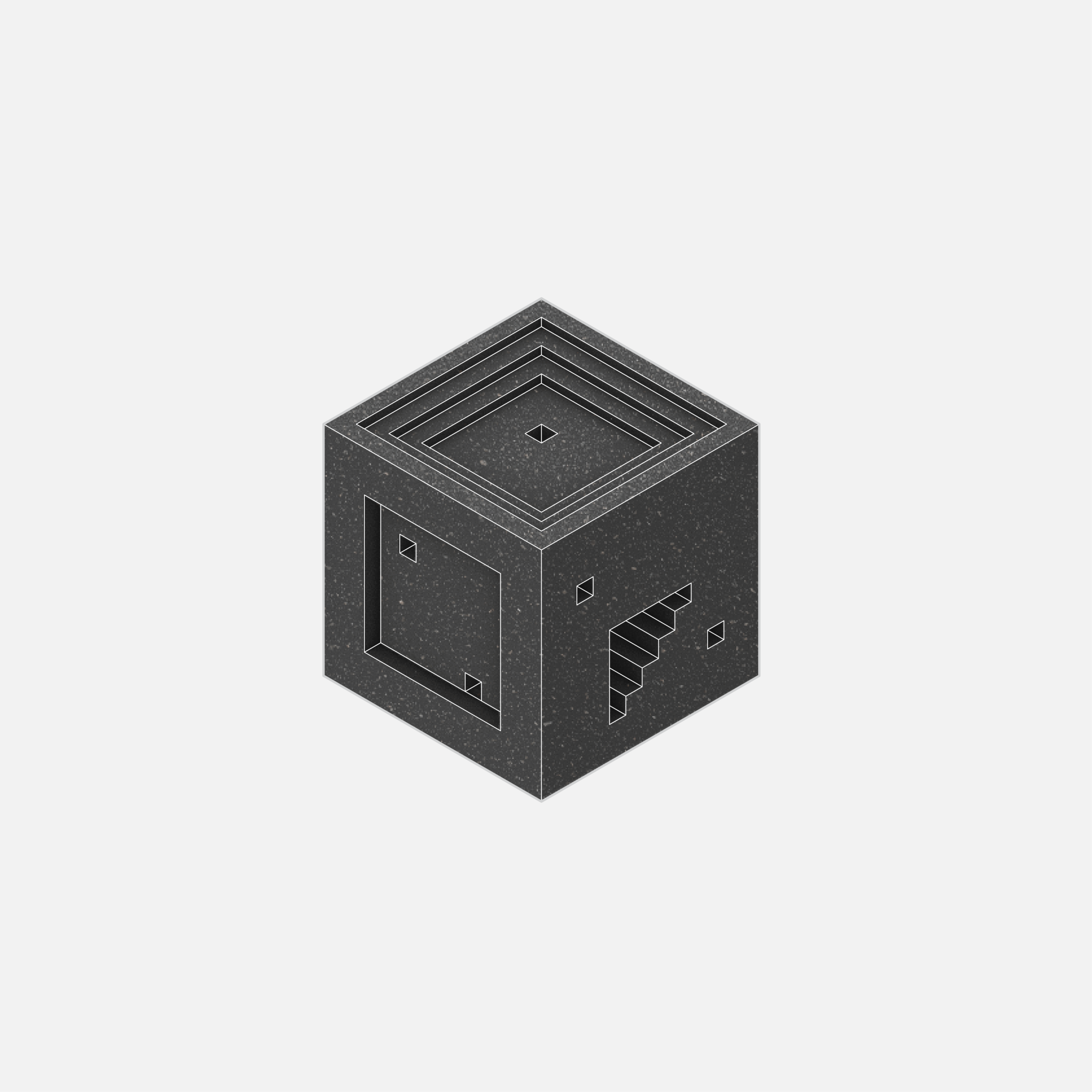
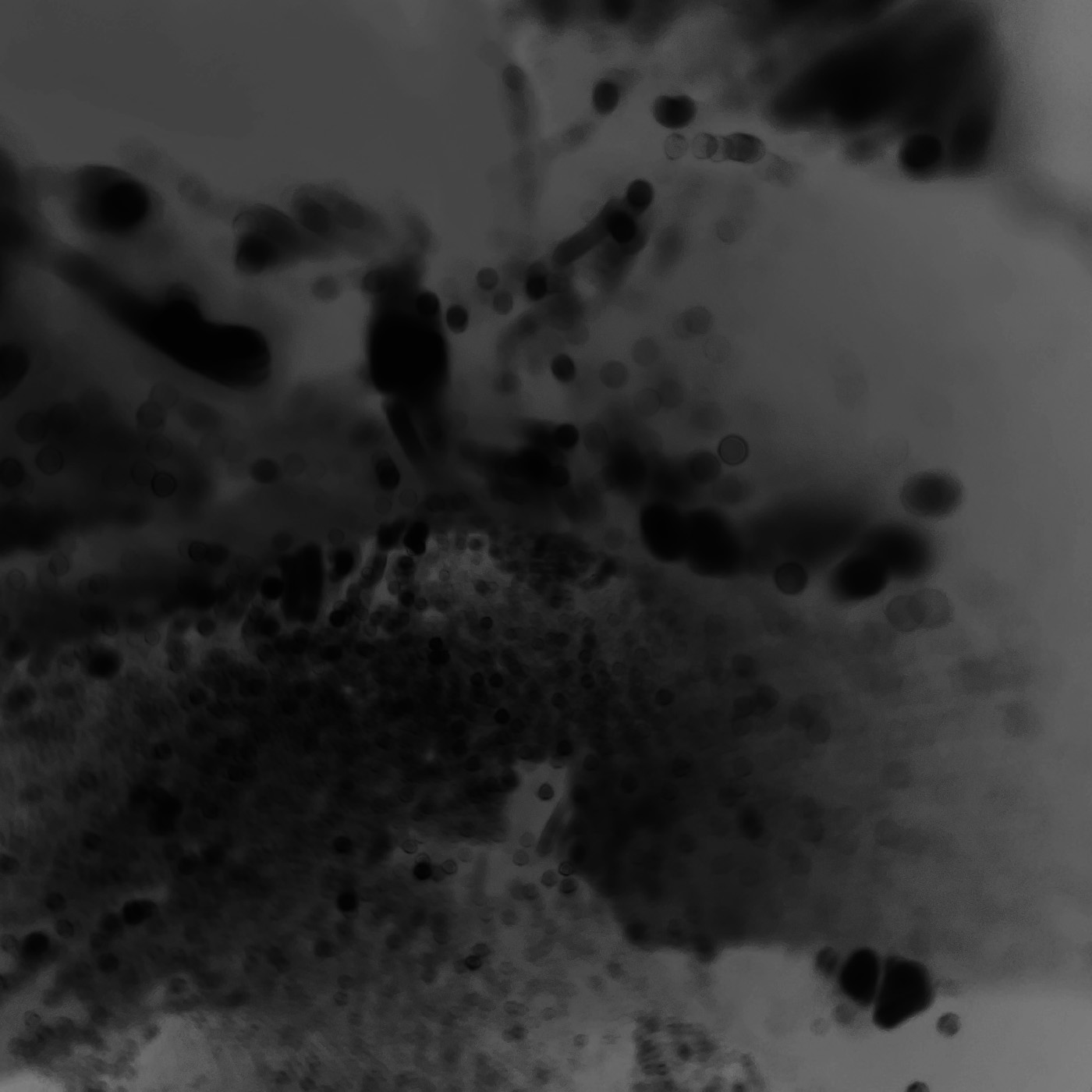
Deep within the wetlands of the Netherlands, a remarkable discovery has been made: the Paludisynthus Hygrophilus. This extraordinary organism appears frozen in eternal stillness, yet it moves at a snail’s pace, as if time itself has slowed. Fear not an unexpected encounter, for this wondrous creature poses no threat. It draws sustenance from the very air we breathe—carbon dioxide—and the passage of time. Indeed, time’s relentless march affects all living beings, and the Paludisynthus Hygrophilus is no exception. Despite its ethereal beauty, this organism is not granted eternal life.
Neverwhere – Kate Kraeva
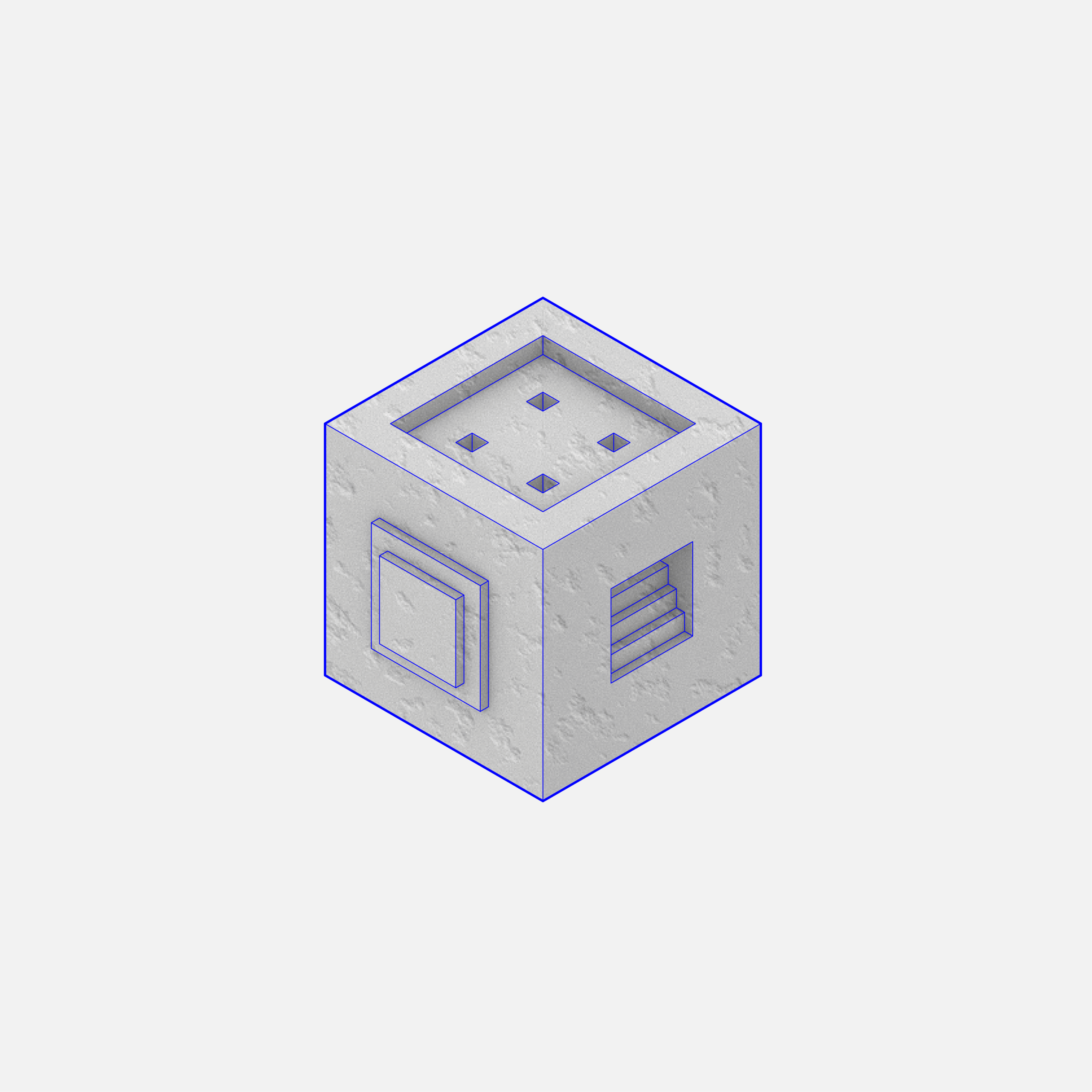
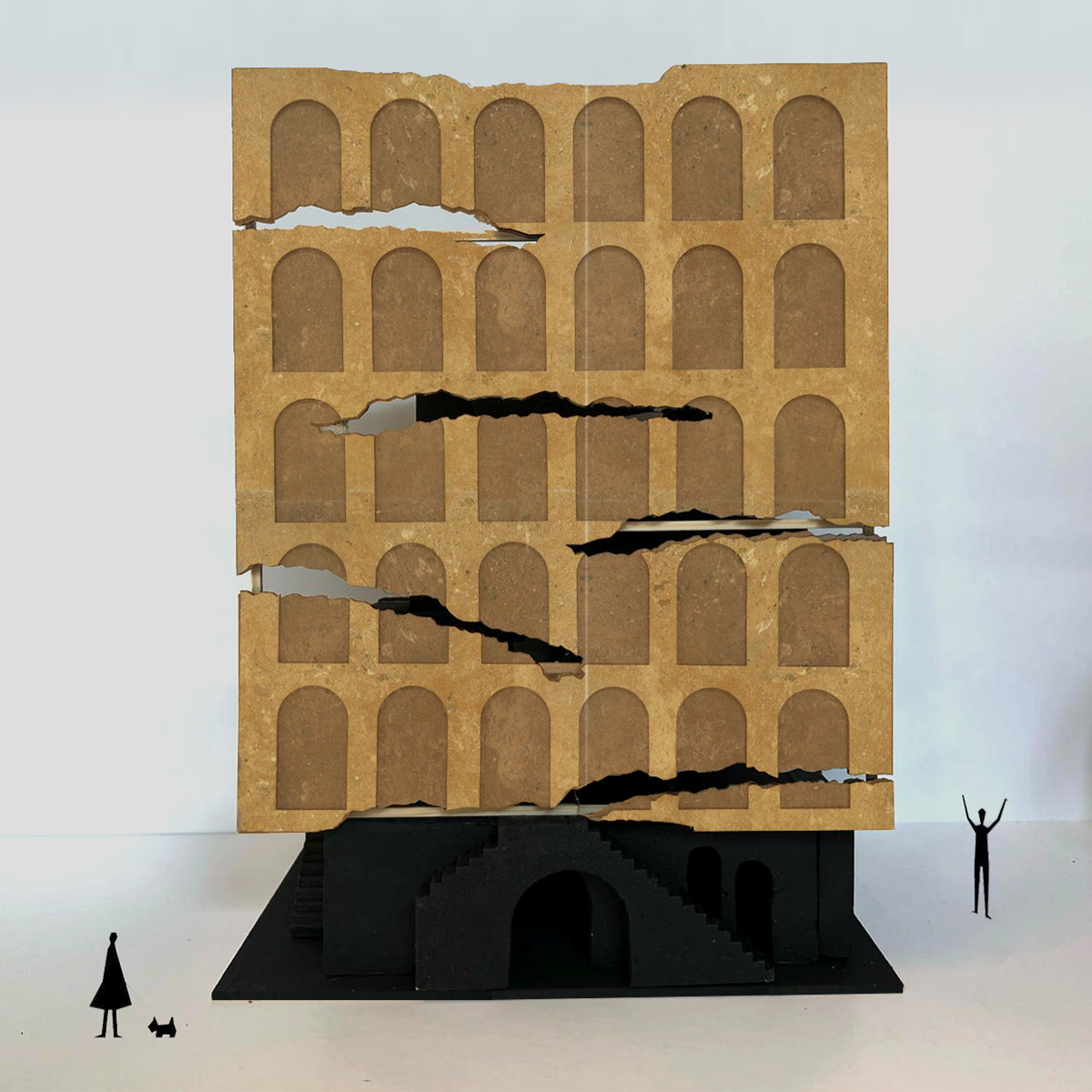
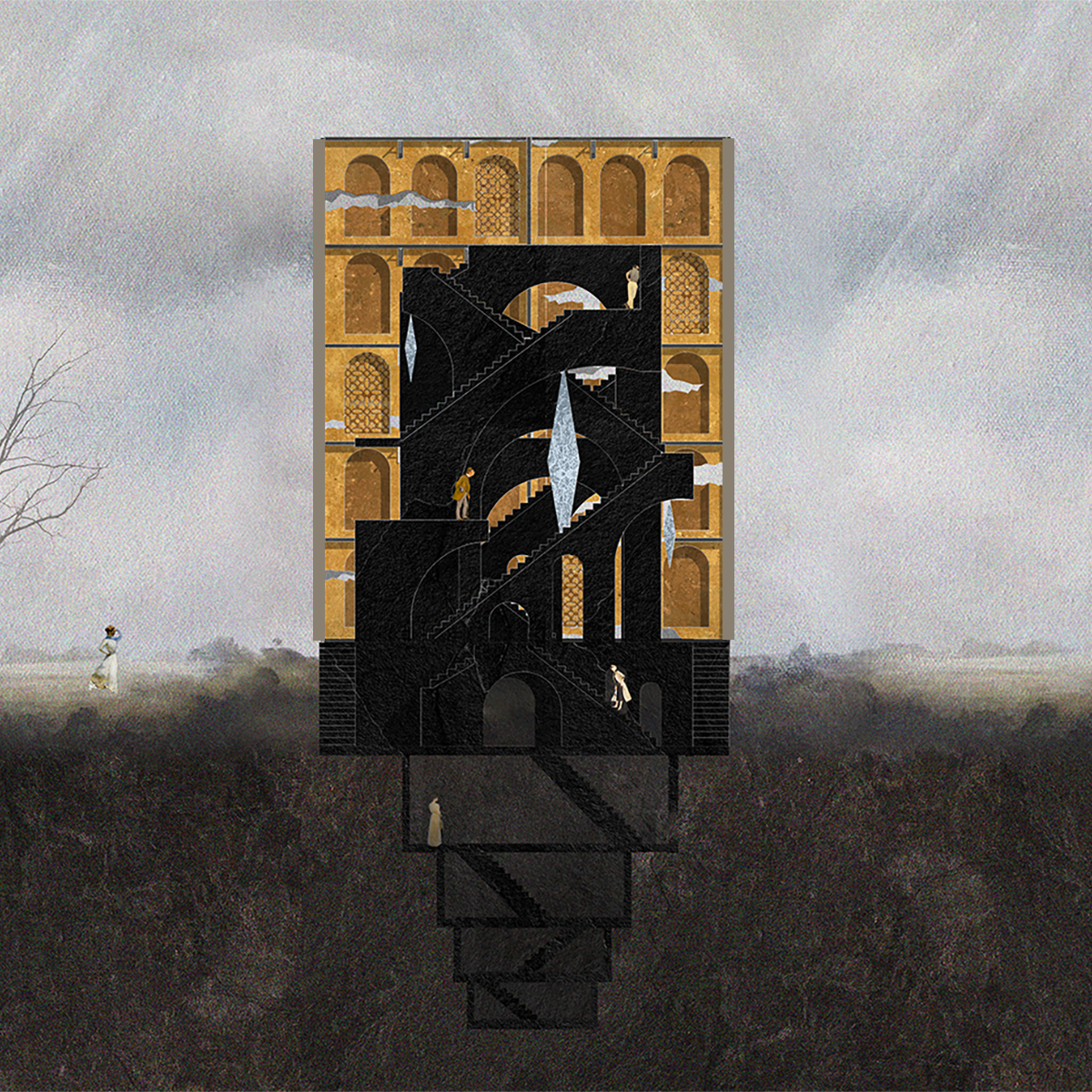
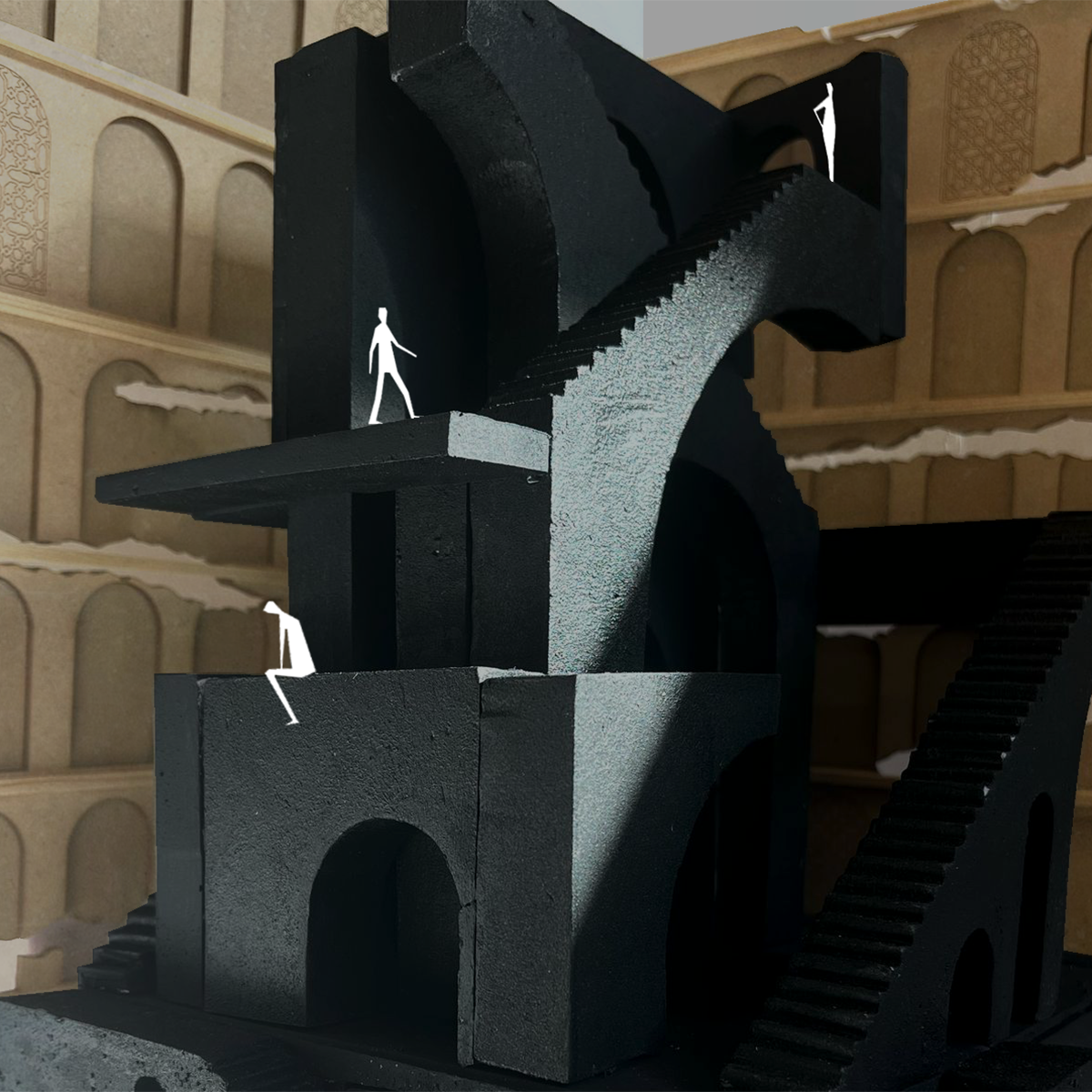
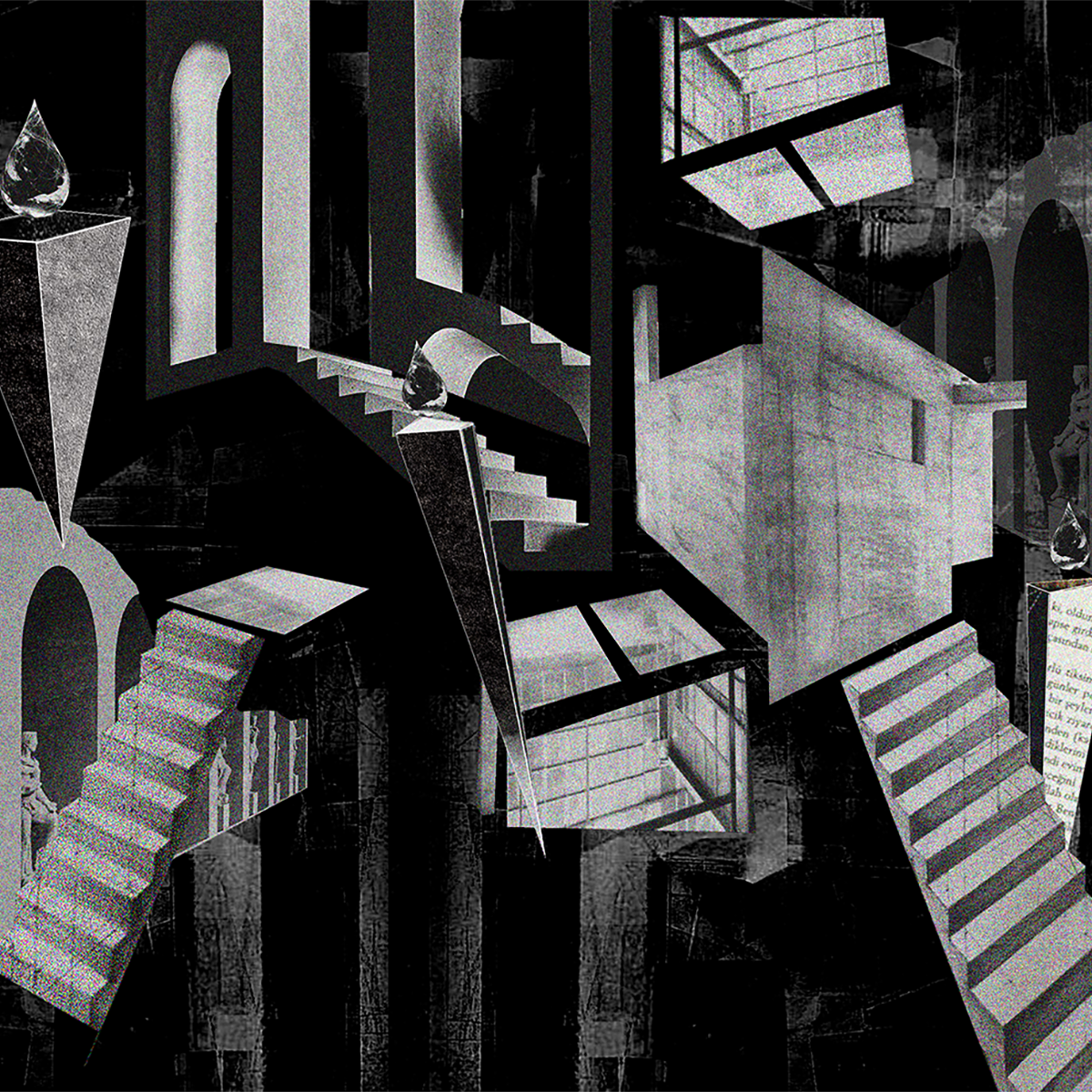
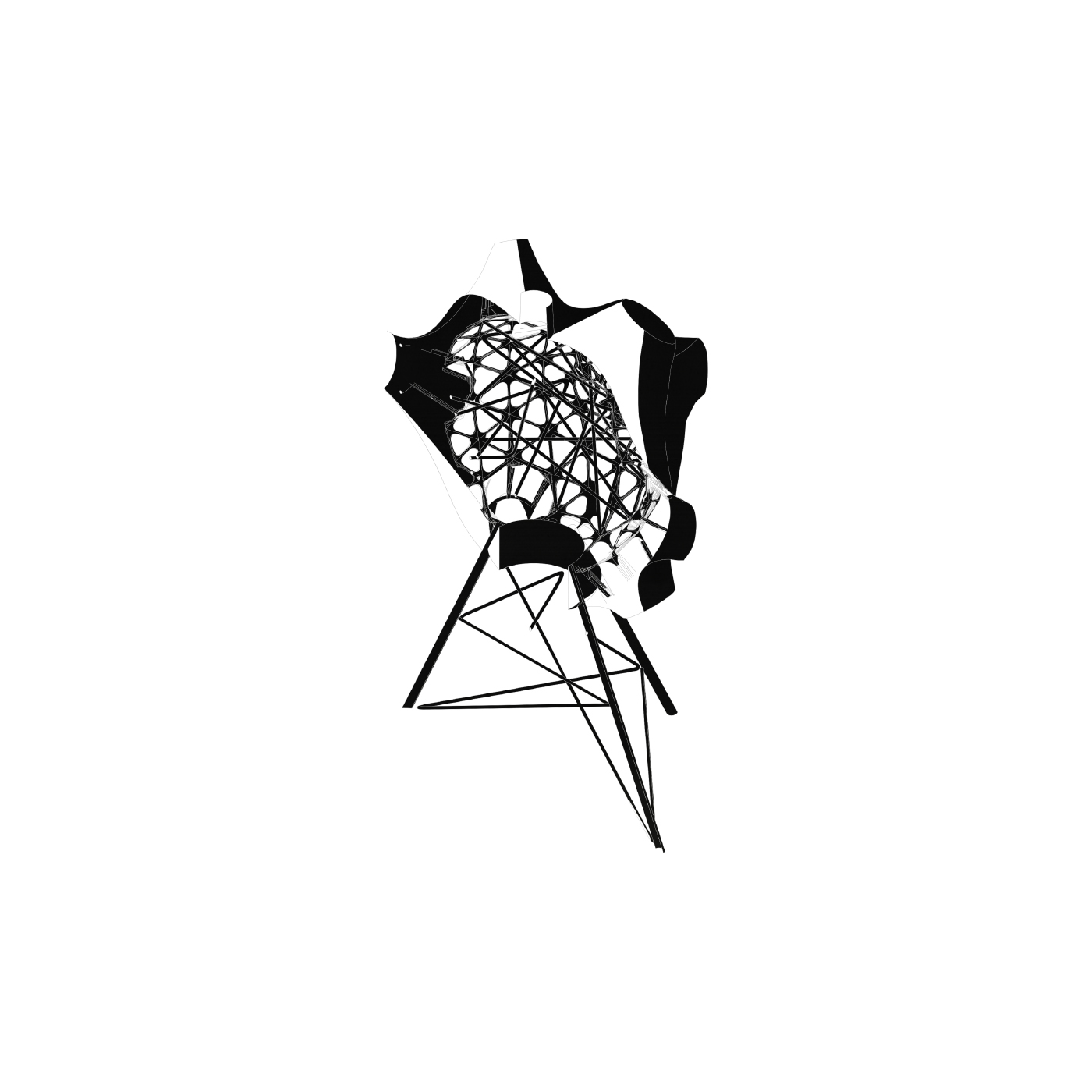
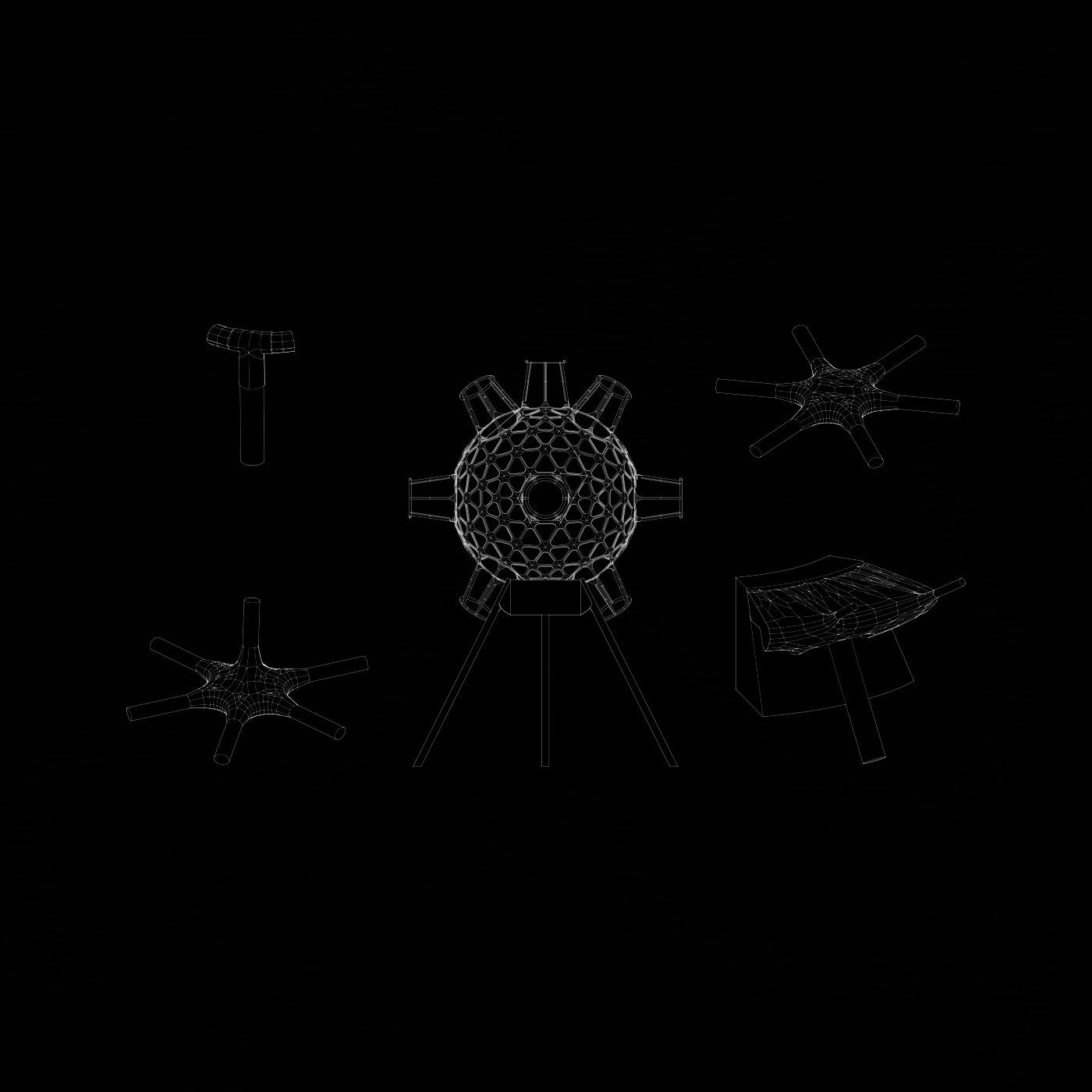
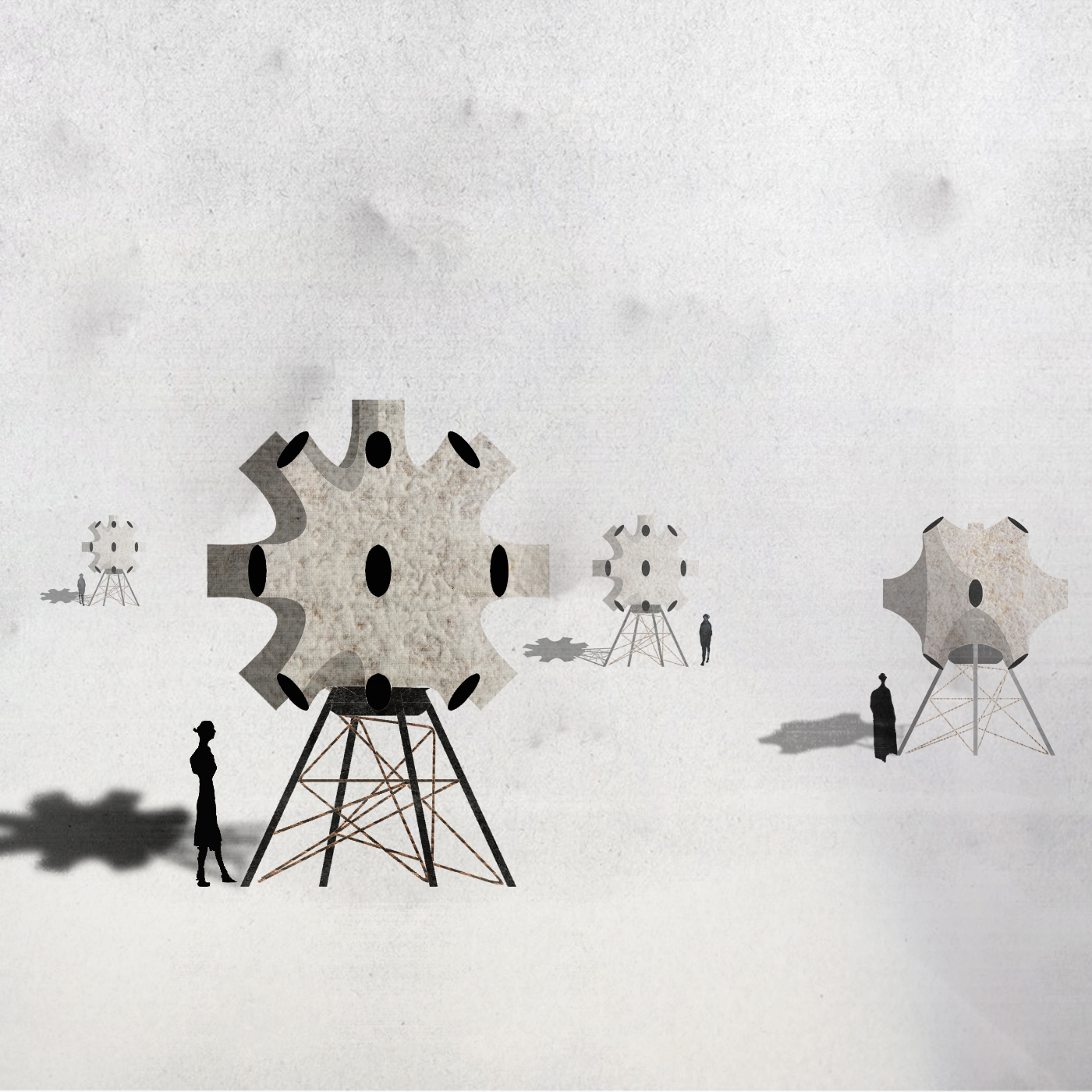
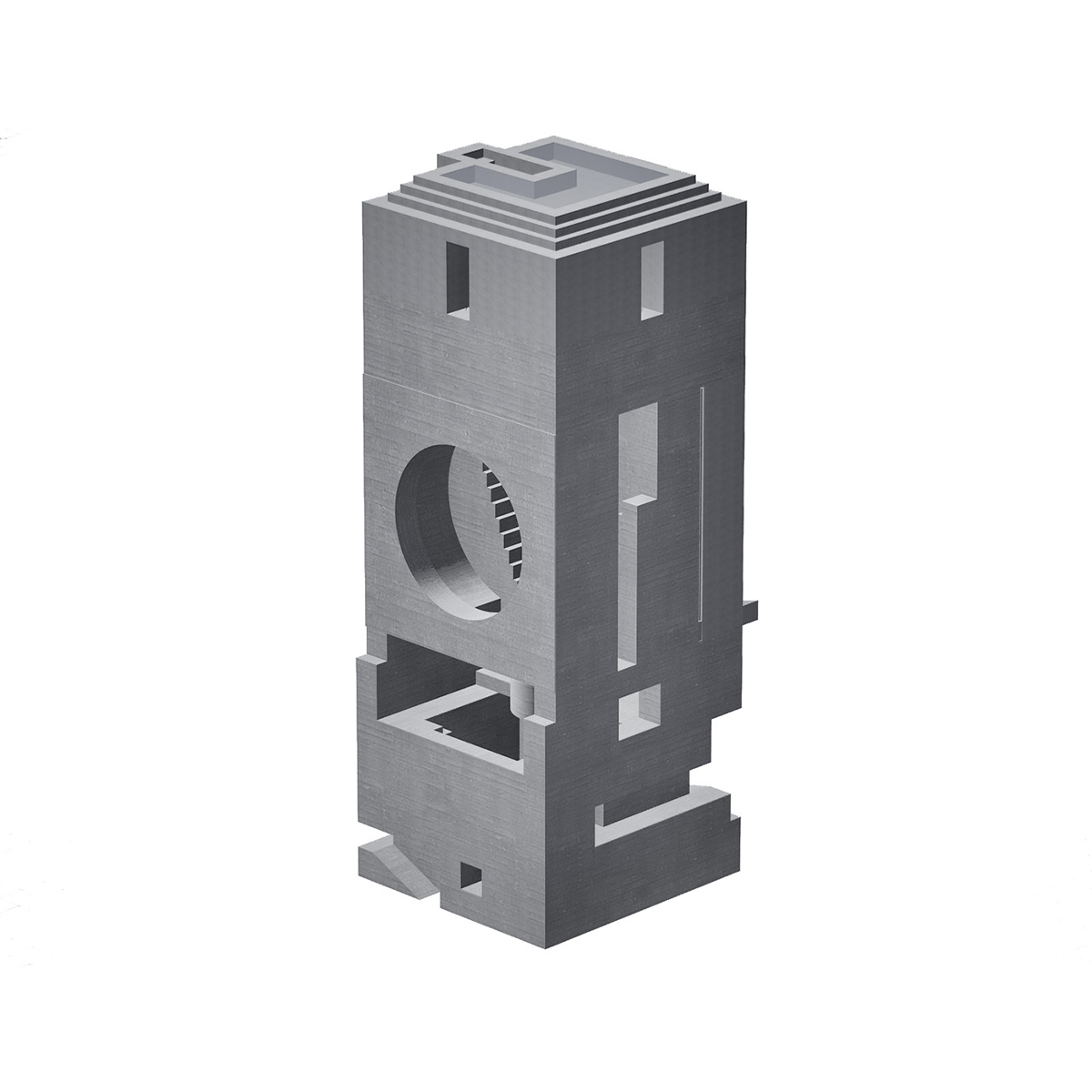
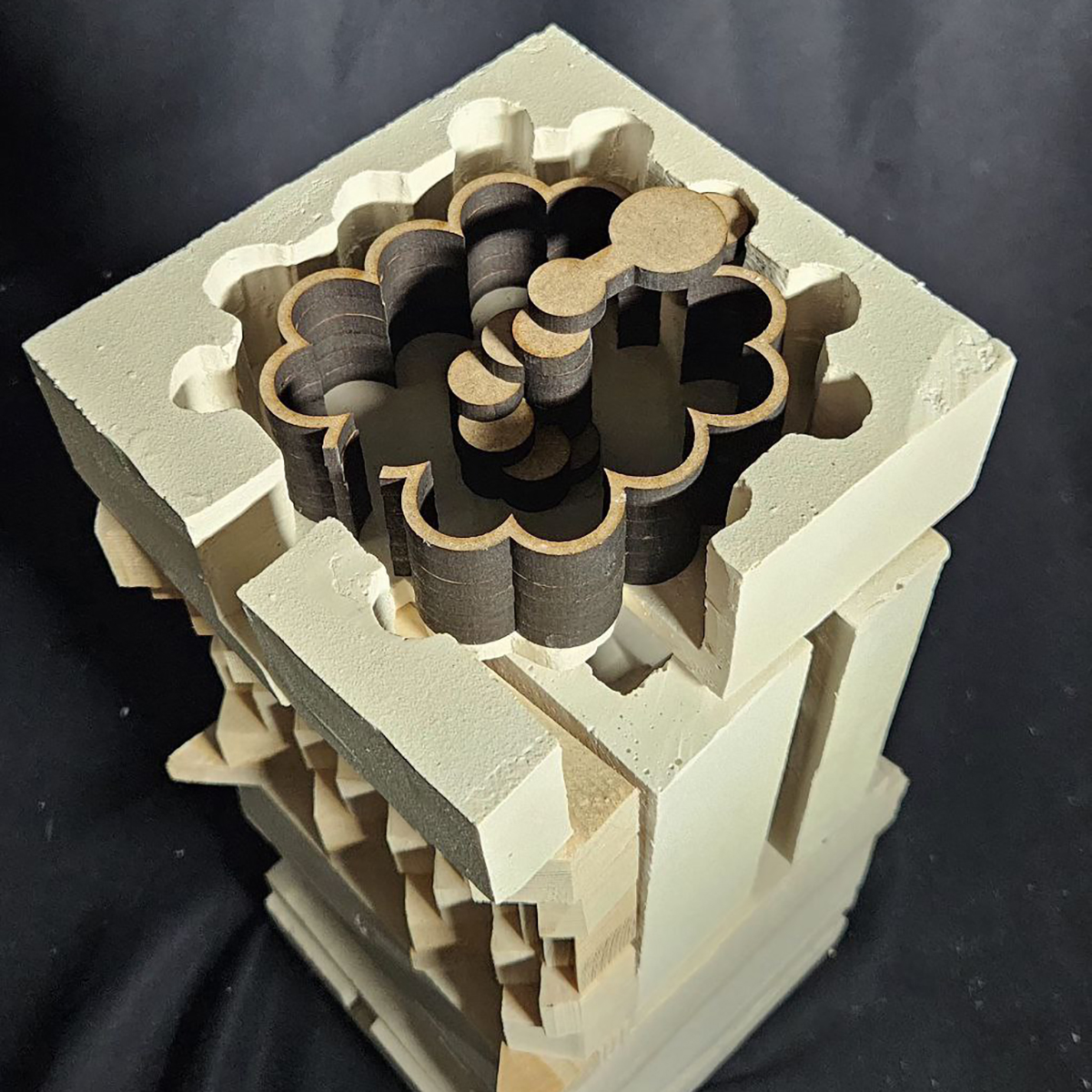
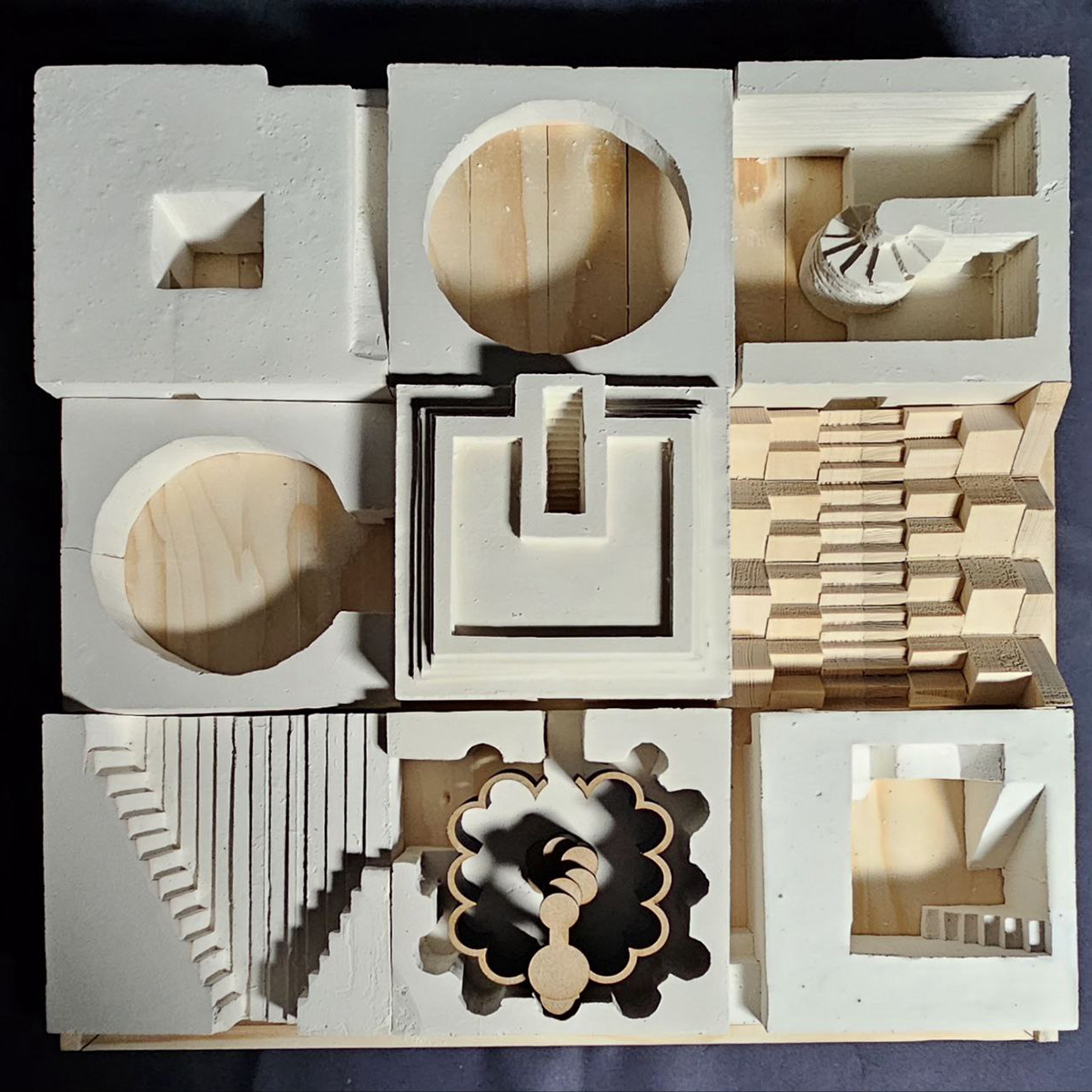
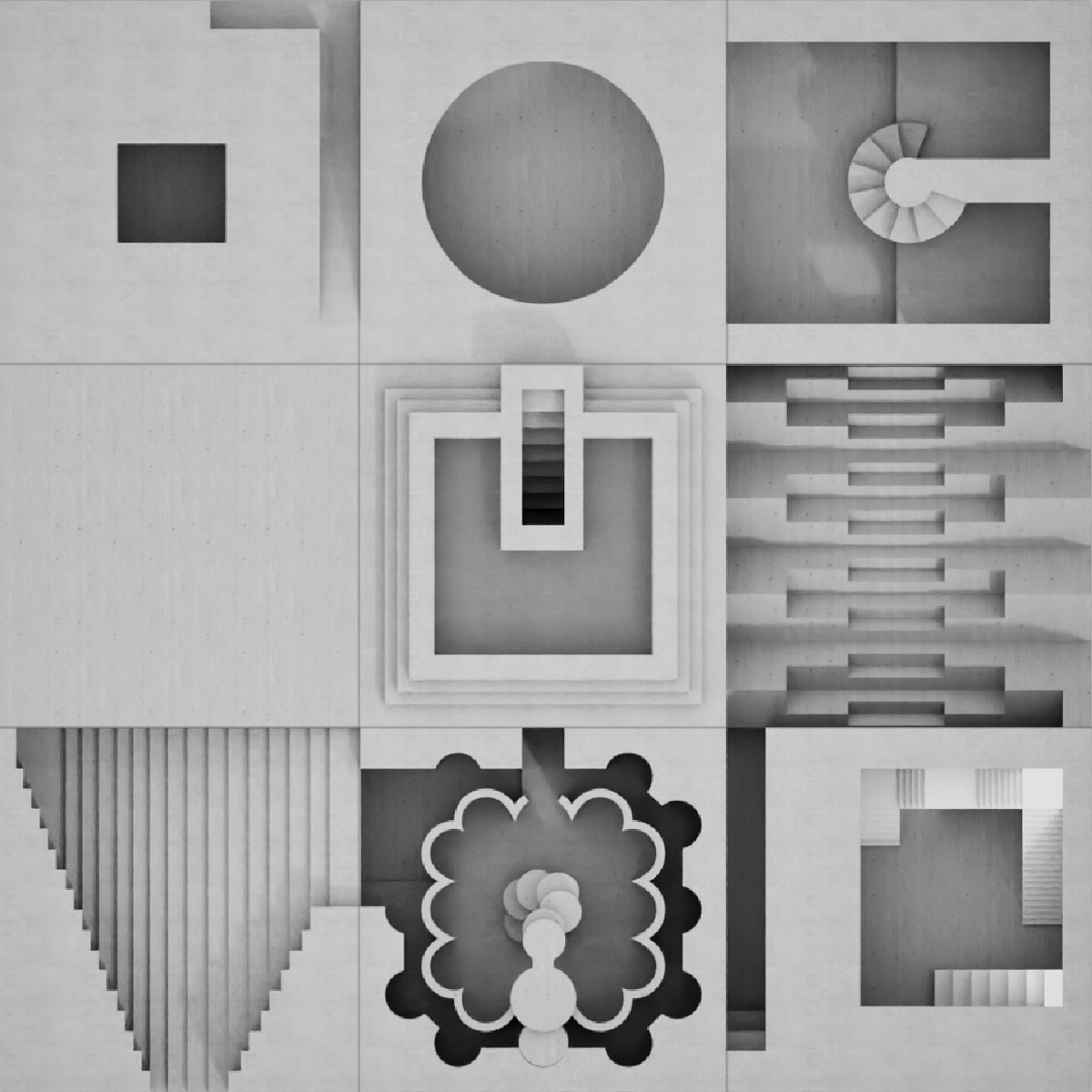
Neverwhere (n.) – an architectural folly, a meeting place, location of nowhere, time of never. Did someone close to you invite you to never see each other again? A breakup? A loss? Betrayal? We all retreat for a while to places (somewhere deep inside us) where we find ourselves alone. We need time to accept the realities of life. Neverwhere is a place that came from nowhere and shattered into nine different locations, each waiting to be explored. When the time comes, and things stop seeming like they once did — you’ll see that it can be a tower.